

Leading AI & Cybersecurity, Wellington and Auckland
Two days for the leaders who decide. Day 1 on getting real results from AI. Day 2 on leading as cyber attacks get smarter. Built for non-technical leaders: book one day or both.
Two cities. One week.
Two days. Two briefings. Book one or both.
From policy to practice
How agencies, Crown entities and councils are turning AI policy into practice: the leaders who own AI, the rules and Te Tiriti obligations, the public sector workforce and AI agents.
The Essential AI Update 2027: what it means for government
Six months is a long time in AI. What's changed for central and local government, and how agencies and councils should be set up for AI in 2027: who owns it, where the funding comes from, which guardrails need to be in place and what your executive and audit committee need to see.
- What changed in the last six months, and what was just noise
- What's coming next for central and local government
- Ownership, funding, guardrails and reporting
Leading AI across the public service
The public service now has an AI framework, guidance on generative AI and a work programme running to 2027, while agencies are asked to do more with less. Agency leaders who own AI share how they set direction, decide what to approve and what to stop, and get traction with their chief executive and Minister.
- Turning the framework and guidance into everyday decisions
- Getting traction with your chief executive and your Minister
- Building AI capability when budgets and headcount are falling
From pilots to payoff in the public sector
Leaders from an agency, a Crown entity and a council on turning AI trials into services people rely on every day: procurement, security and privacy sign-off, consulting staff and the PSA, and proving value to their chief executive and the public.
- Choosing use cases that deliver value and stand up to scrutiny
- Getting through procurement, security and privacy sign-off
- Measuring and reporting value in a public sector context
The rules for government: frameworks, transparency and Te Tiriti
What's expected of agencies and councils using AI: the Public Service AI Framework, the Algorithm Charter, the Privacy Act and IPP3A, the OIA and LGOIMA, and Māori data sovereignty. What is expected where, who is accountable, and what to check before you buy or deploy.
- The Public Service AI Framework, GCDO guidance and the Algorithm Charter
- Transparency and scrutiny: the OIA, LGOIMA, the Ombudsman and the Auditor-General
- Te Tiriti and Māori data sovereignty in AI decisions
The public sector workforce and AI
How one agency built AI capability across its whole workforce, redesigned roles and consulted staff and the PSA before rolling anything out, while keeping the expertise and judgement public services depend on.
- Building AI capability across your whole workforce
- Redesigning roles and workflows, not just adding tools
- Consulting staff and the PSA properly before major change
AI agents in government: from trial to everyday service
Where agents are already working in the public sector, what they can and can't safely do today, and the guardrails, human oversight and approvals to have in place before you switch one on. Then time to build your own 90-day plan.
- Where agents are already working in government
- Guardrails, human oversight and approvals before you switch one on
- Your agency's or council's 90-day plan, on the page
When something goes wrong in government
How AI is changing the threats facing government, who is accountable when something goes wrong, and an AI attack simulation that ends with a Minister's briefing.
The AI threat briefing 2027: government edition
What AI has changed about attacks on government, from deepfake officials to AI-written phishing, why councils and smaller agencies are in the firing line, and the controls that stop most attacks.
- The new attacks on government: deepfake officials, AI-written phishing and help-desk scams
- Why councils and smaller agencies are increasingly targeted
- The basic controls that stop most attacks, and the questions to ask your security team
Protecting citizens' data
Health, tax, benefit and identity records: protecting the data citizens have no choice about handing over, across shared services, ageing systems and contractors, including as agencies roll out AI on it.
- Protecting data across shared services, legacy systems and contractors
- Holding less: what to keep, what to delete and why it matters
- Working with partner agencies and the NCSC
When it happens to you: leading government through a cyber crisis
Leaders from agencies, Crown entities and councils who've led through a serious cyber incident: the first hour, who they briefed and when, AI-powered impersonation, keeping services running, and what they'd change.
- What the first hour and the first 72 hours look like inside government
- Briefing your chief executive, Minister or mayor, and the public
- What they've changed since, and what they wish they'd done first
AI and cyber accountability in government
Who is accountable when AI or a cyber incident goes wrong: the Protective Security Requirements, what chief executives own, the role of audit and risk committees, and what the Auditor-General is asking about AI.
- The Protective Security Requirements, and what chief executives own
- Audit and risk committees, and what auditors are looking for
- Reporting cyber maturity honestly to your executive and Minister
Securing AI in government
Shadow AI, AI agents with access to agency systems, and contractors holding government data: where the risk sits, and the controls that work without a blanket ban.
- Shadow AI in the public sector workplace
- AI agents with access to agency systems
- Contractors and suppliers holding government data
Crisis simulation: the AI attack on government
A deepfake chief executive, a rogue AI agent in a public service, a breached AI contractor and AI-written ransomware. Make the calls round by round, write a Minister's briefing mid-incident and face select committee questions.
- Decisions under pressure with incomplete information
- Spotting the deepfake, and the verification checks that stop it
- Writing a Minister's briefing, and a tested checklist to take back
From pilots to payoff
What's changed, what the rules now say, and how leaders who've scaled AI got past the pilot stage. A full day of plain-English briefings for the people who decide.
The Essential AI Update 2027
What's changed, what's coming, and how to set your organisation up for 2027
Six months is a long time in AI. Since late 2026 the models, the costs, the tools and the rules have all moved, and most leaders haven't had time to keep up. This opening keynote gives you the plain-English picture of what's happening and why it matters, then turns to the practical question: how should a large organisation be set up for AI this year?
- What changed in the last six months, and what was just noise
- What's coming next, so you're ready for the rest of 2027
- Ownership, budget, guardrails and what your board or executive needs to see
Leading AI in councils, health and Crown entities
Councils, health services and Crown entities are using AI to clear backlogs, plan infrastructure and improve the services people rely on every day, all on tight budgets and under close public scrutiny. Public sector leaders share how they chose where to start, how they kept the public's trust, and what they learned getting from a trial to a service that runs every day.
- Where councils, health and Crown entities are using AI today
- Getting from trial to everyday service on a tight budget
- Keeping public trust, and bringing staff and communities along
From pilots to payoff: leaders who've scaled AI
Most large organisations have run an AI pilot. Far fewer have turned one into results that show up in the numbers. Three leaders from different sectors talk frankly about the pilots they backed and the ones they stopped, what it cost, how long it really took, and the measures that finally convinced their CFO and board.
- Why most pilots stall, and how these leaders got past it
- Choosing the use cases worth funding, and stopping the rest early
- Measuring returns your CFO and board will actually accept
The new rules: AI obligations every leader must know
There's no AI Act here, but AI is far from unregulated. The Privacy Act already applies to every AI tool that touches personal information, the new IPP3A rule covers data collected from third parties, and your contracts and directors' duties apply too. This is the plain-English version of what you must do, by when, and who is accountable.
- What the Privacy Act and IPP3A require when you use AI
- Who signs off on AI, and who is accountable when it goes wrong
- Māori data, and the questions to put to every AI vendor before you buy
Your people and AI
Redesigning work, building skills and leading through the uncertainty
Your staff are already using AI, often without telling you, and many are quietly worried about their jobs. This session follows a large organisation that has been through it: how they redesigned roles, built AI skills across the whole workforce and consulted staff and unions before rolling anything out.
- Redesigning roles and work, not just adding tools
- Building AI skills across the whole workforce, quickly and affordably
- Consulting staff and unions properly before major change
AI agents at work: what's really happening
AI agents that can plan and act on their own are arriving in everyday software. A senior leader who has put agents to work in a large organisation shares what they're doing today, what went wrong and the guardrails now in place. You leave knowing what to check before your organisation switches one on.
- What agents are doing inside a large organisation right now
- What went wrong, and the guardrails and approvals now in place
- The questions to answer before you switch one on
Leading through AI-enabled threats
How AI is changing the attacks, the risks and the accountability, explained for the people who make the decisions. Bring your GC, CFO or CISO.
The AI threat briefing 2027
Cloned executive voices, AI-written phishing, AI-built malware and attacks on your own AI tools: what AI has changed for attackers in the last 12 months, explained for leaders rather than technicians, and the handful of controls that stop most attacks.
- What AI has changed for attackers in the last 12 months
- Attacks on your own AI: poisoned prompts and hijacked agents
- Prevention, and the questions to ask your security team
Protecting the public's data in the age of AI
Councils, health services and Crown entities hold some of the most sensitive data in the country, and are now putting AI to work on it. A public sector security leader shares what it takes to protect that data as AI rolls out.
- Cyber leadership lessons from the public sector
- Rolling out AI on sensitive data without opening new doors to attackers
- Working with the NCSC and partner agencies in an incident
When it happens to you: leading through a cyber crisis
Security and technology leaders on the incidents and near misses that never made the news: the first hour, the ransom decision, who they told, and what they've changed since.
- What the first 72 hours really look like
- The ransom decision, and who you must tell
- When the attack is AI-powered: deepfake calls and impersonation
Who's liable when AI goes wrong?
When an AI tool leaks data, an agent takes an action nobody approved, or a deepfake tricks your finance team, the questions turn to who is accountable. What leaders, directors and officers are personally liable for, and what your AI contracts must say.
- Notifiable privacy breaches: the serious harm test, and who you must tell
- Directors' and officers' duties for AI and cyber risk
- Your AI supplier contracts, and the ransom decision's legal traps
Securing AI: the new risks inside your organisation
Shadow AI, AI agents with access to your systems, and AI suppliers holding your data. Where the new risks sit, and the controls that work without banning AI.
- Shadow AI: what staff paste into public tools
- AI agents: what they can be tricked into doing
- Your AI suppliers, and using AI to defend
Crisis simulation: the AI attack
Your table becomes the crisis team as an AI-powered attack escalates in four rounds: a deepfake CEO, a rogue AI agent, a breached AI supplier and AI-written ransomware. Experienced incident responders debrief every round.
- The deepfake CEO, and the checks that stop it
- A rogue AI agent: who can switch it off, and how fast
- The ransom decision, who you notify, and a tested decision checklist
Times are NZST. Program subject to change. Speakers will be announced progressively.
Can't travel? Watch Auckland live.
Both Auckland days are streamed live on Thursday 13 and Friday 14 May 2027, so leaders anywhere can join the briefings, the panels and the Q&A in real time. Book one day or both.
From pilots to production: your 90-day AI plan
A hands-on online workshop for leaders in business and government. Over two mornings you turn the summit into a plan your executive, board or Minister can approve. Choose the business or government template pack on the day; breakout groups work with peers from their own sector.
- Triage your pilots. What to scale, what to fix and what to stop, including the shadow AI already in use.
- The case for approval. Return on investment or public value, and the measures your executive, board or Minister will accept.
- Guardrails, AI security and agents. The controls to have in place before you scale, and whether you're ready for AI agents.
- People and ownership. Who owns AI, the skills you need, and bringing staff and unions with you.
- Your 90-day plan. Sequence it, find the quick wins and test it with peers from your sector, ready to table.
Book early and save up to $990
First In pricing ends 19 February 2027. The same prices apply in Wellington and Auckland. All-Access includes both days and the online workshop.
| Ticket | First InUntil 19 Feb 2027 | Early BirdUntil 25 Mar 2027 | StandardFrom 26 Mar 2027 |
|---|---|---|---|
| One dayDay 1 (AI) or Day 2 (AI & Cyber), Wellington or Auckland | $1,095 | $1,295 | $1,495 |
| Both daysThe full two-day program | $1,895 | $2,195 | $2,495 |
| All-AccessBoth days + the 90-day AI plan workshop | $2,395 | $2,695 | $2,995 |
| Livestream, one dayThe Auckland sessions, live online, 13 or 14 May | $695 | $795 | $895 |
| Livestream, both daysBoth Auckland days, live online | $1,195 | $1,395 | $1,595 |
| Online workshop onlyTwo online mornings, 20 and 21 May | $795 | $895 | $995 |
All prices are in New Zealand dollars and exclude GST.
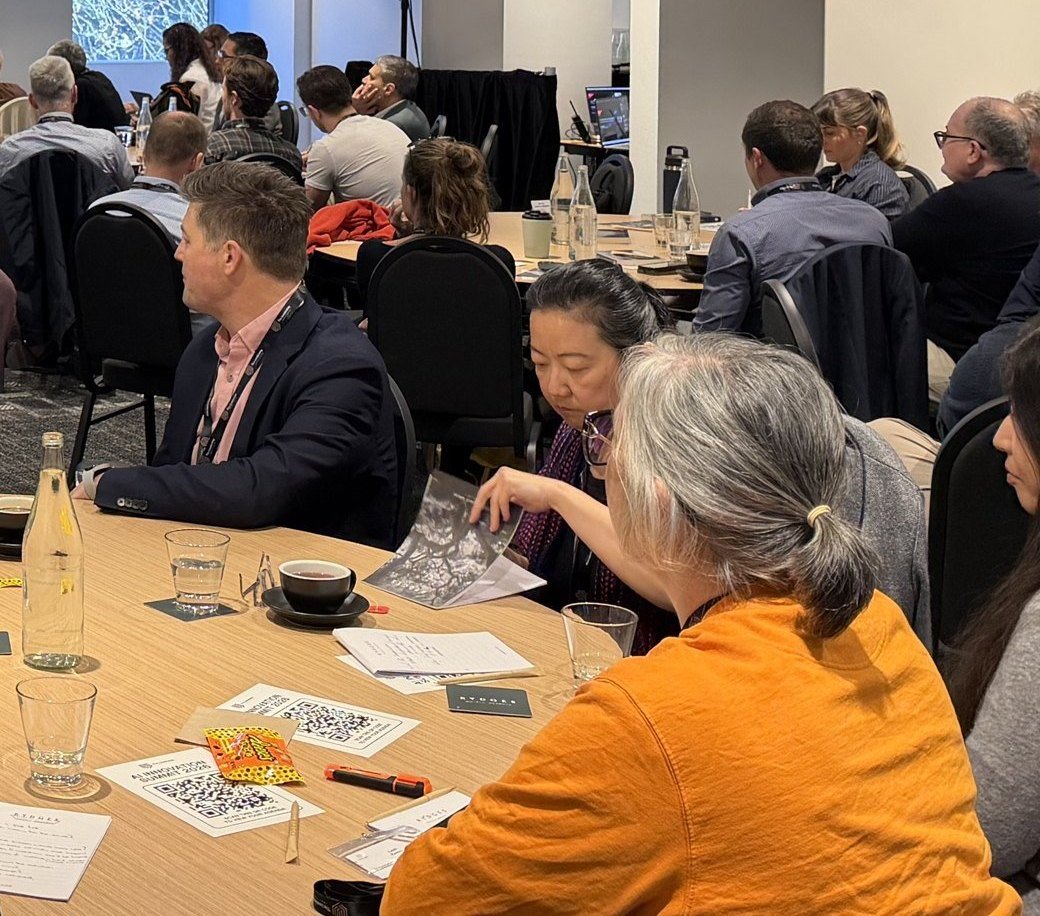
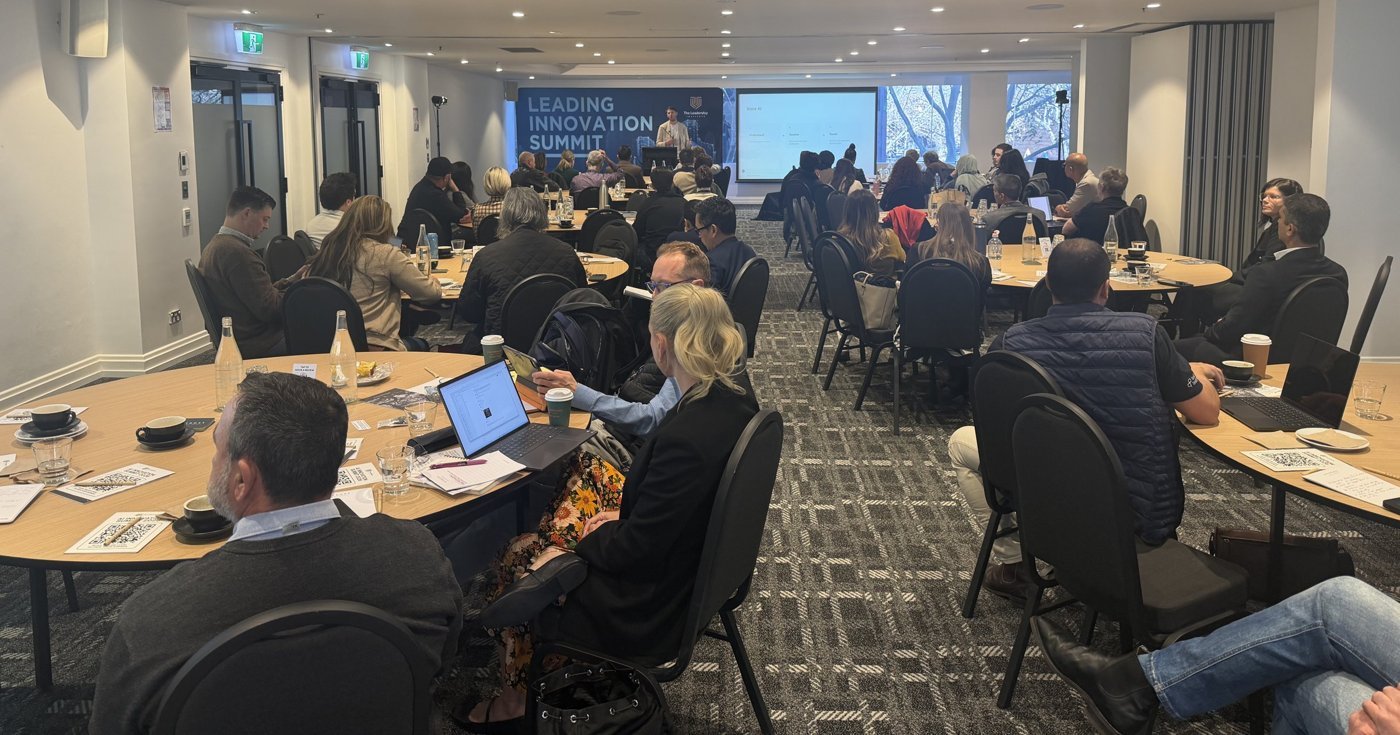
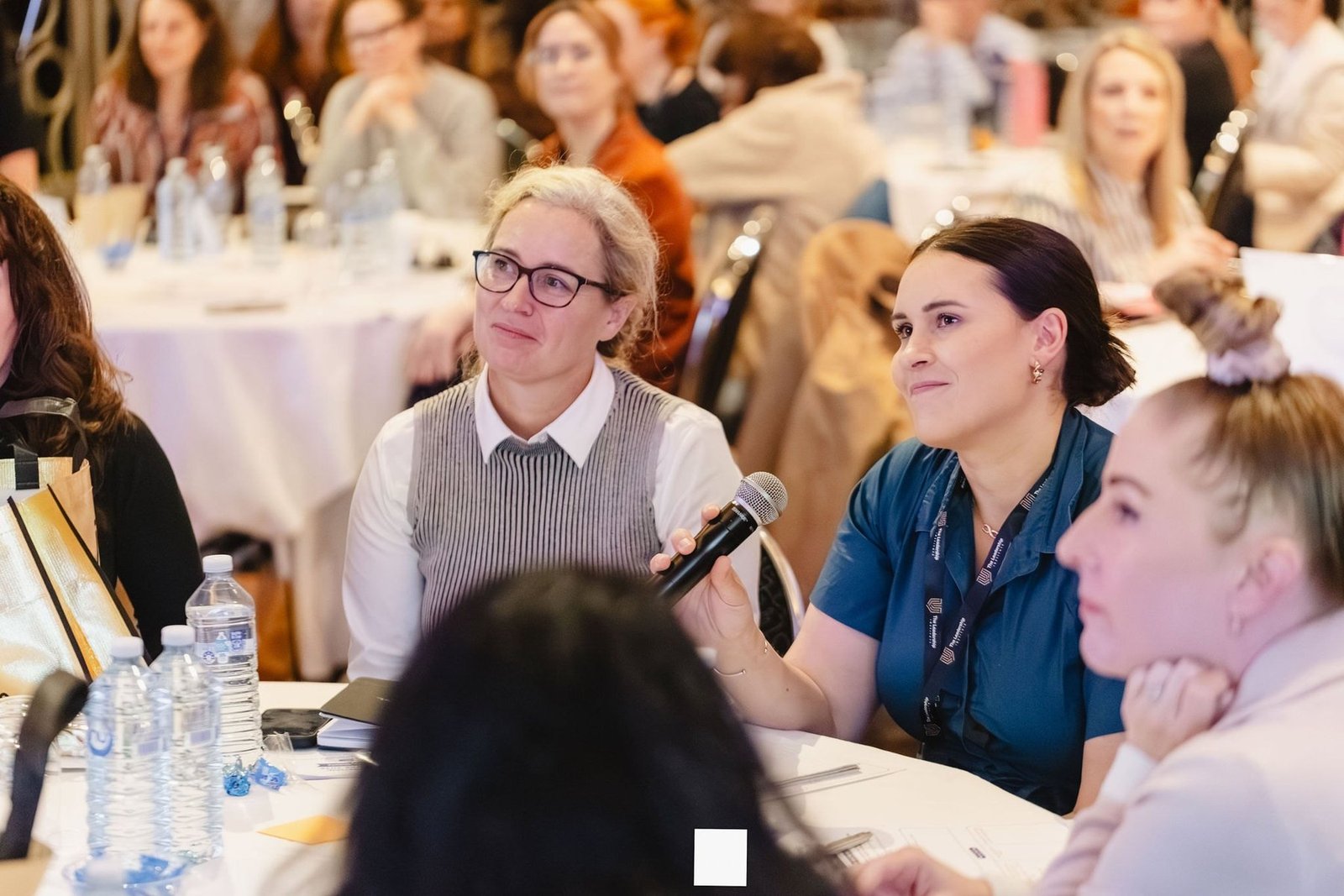
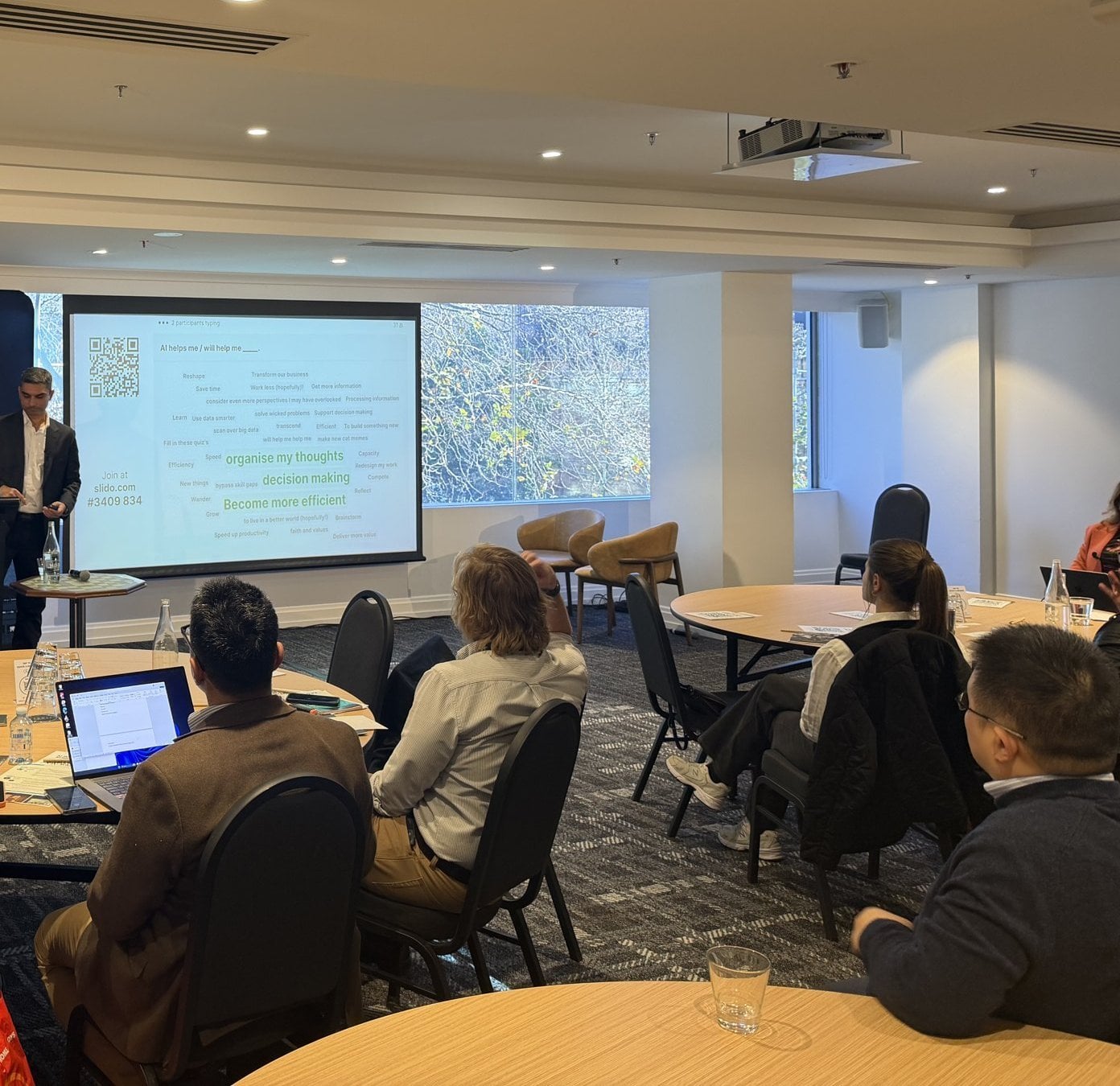
A room full of people who decide


Questions, answered
When and where is it
Wellington runs Tue 11 – Wed 12 May 2027 and Auckland runs Thu 13 – Fri 14 May 2027. Day 1 runs 9:00am to 4:20pm and Day 2 runs 9:00am to 4:30pm NZST, with registration from 8:30am each day. Venues will be announced on this page.
What's the difference between Wellington and Auckland
Wellington is the public sector edition: all twelve sessions are rebuilt for central government, Crown entities and councils. Auckland runs the program for large employers and the public sector, with one public sector session each day. Prices are the same in both cities.
Can I attend just one day
Yes. Day 1 covers AI and Day 2 covers AI and cyber security. Book either day on its own from $1,095 + GST, or both days from $1,895 + GST.
Can I watch online
Yes. The Auckland sessions on Thursday 13 and Friday 14 May are livestreamed. Livestream tickets start from $695 + GST for one day.
How do I book the 90-day AI plan workshop
Add it for $649 + GST when you register, or choose All-Access, which includes both days and the workshop. It runs online over two mornings, Thursday 20 and Friday 21 May 2027. It's a separate product from the livestream.
Is there a small business rate
Yes. Organisations with 30 staff or fewer pay $649 + GST a day. It can't be combined with other discounts, and we may ask for proof of staff numbers.
Can I send someone in my place
Yes, at no cost, any time before the event. Just let us know their name.
Who should attend
Executives and general managers, public sector and council leaders, CFOs, COOs and general counsel, heads of risk, audit and compliance, chief digital, data and AI leads, and HR and transformation leaders. You don't need to be technical.
Book at First In prices
First In prices end 19 February 2027. Choose Wellington, Auckland or the livestream when you register.
Book now