

AI & cyber for government leaders
Two days built for federal, state and local government: what the new rules expect of your agency or council, and how to lead when something goes wrong.
Two days built for government
Canberra runs its own agenda for federal, state and local government. Day 1 turns AI policy into practice; Day 2 covers AI and cyber accountability at every level and ends with an AI attack simulation and a ministerial brief.
From policy to practice
Two days built for federal, state and local government. Day 1 covers what the new policies and rules expect of agencies and councils, and how leaders across government are turning AI policy into better services.
The Essential AI Update 2027: what it means for government
What's changed, what's coming, and how agencies should set themselves up
Six months is a long time in AI. Since late 2026 the models, the costs, the tools and the rules have all moved, and government has moved with them. Federal agencies are working to whole-of-government AI policy, states and territories have their own frameworks, and councils are starting to use AI in everyday services. This opening keynote gives you the plain-English picture of what's happening and what it means for the public sector, so you're prepared for the rest of 2027 rather than catching up. Then it turns to the practical question: how should an agency or council be set up for AI this year? That means who owns it, where the funding comes from, which guardrails need to be in place and what your executive and audit committee need to see.
- What changed in the last six months, and what was just noise
- What's coming next for federal, state and local government
- How agencies and councils should set themselves up for AI in 2027: ownership, funding, guardrails and reporting
Chief AI Officers: one year in
How the people leading AI across government are making it work
Across government, someone now owns AI. Federal agencies have appointed Chief AI Officers and AI Accountable Officials, states and territories are creating similar roles, and many councils have handed the job to a CIO or digital lead on top of everything else. A year in, what does the role really look like? Leaders from federal, state and local government share how they set direction, decide what to approve and what to stop, manage risk without blocking progress, and get traction with busy executives and ministers or councillors. You'll hear what they'd tell a new appointee on day one, and how they're building capability when budgets are tight.
- How the role is being structured at federal, state and local level
- Getting traction with your executive, your minister or your council
- Saying yes, saying no and managing risk without blocking progress
- Building AI capability without a big budget
From pilots to payoff in government
An honest conversation about what it really takes
Most agencies and councils have tried AI. Far fewer have turned a trial into a service the public relies on every day. This panel brings together leaders from federal, state and local government who have done it. They'll talk frankly about the trials they backed and the ones they stopped, how long it really took, how they handled procurement and security sign-off, and how they consulted staff and unions along the way. They'll share how they proved the value to their executive and the public, how they kept trust when things didn't go to plan, and what they'd do differently if they were starting again in 2027. Expect real examples and time for your questions.
- Choosing use cases that deliver value and stand up to scrutiny
- Getting through procurement, security and privacy sign-off
- Consulting staff and their representatives properly
- Measuring and reporting value in a public sector context
The rules for government: policy, transparency and assessment
Government's AI obligations are growing at every level. Federal agencies work under the Policy for the responsible use of AI in government, publish AI transparency statements and assess the impact of their AI use, and from 10 December 2026 the Privacy Act requires transparency about automated decisions. States, territories and councils have their own frameworks and privacy laws. This briefing sets out what is mandatory where, who is accountable, and what to check before you buy or deploy.
- Federal policy, transparency statements and AI Accountable Officials
- State, territory and local frameworks and privacy obligations
- Impact assessments, procurement and who signs off
The public sector workforce and AI
Building capability, redesigning roles and bringing people with you
AI literacy is fast becoming a baseline expectation for public servants at every level of government. This session follows an agency that has been through it: how they built AI skills across the whole workforce rather than a handful of specialists, worked out which roles and tasks would change, and consulted staff and unions before rolling anything out. You'll hear how they handled the worries about job security, what happened to the time AI freed up, how they kept the expertise that makes public services work, and what they'd do differently. The lessons apply whether you lead a federal department, a state agency or a council.
- Building AI literacy across your whole workforce
- Redesigning roles and workflows, not just adding tools
- Consulting staff and unions properly before major change
- Keeping the expertise and judgement public services depend on
AI agents in government: from trial to everyday service
What agents can safely do today, and what to check first
AI agents that can plan, complete tasks and act across systems are arriving in the software government already uses. Handled well, they could clear backlogs, speed up case processing and free staff for the work that needs human judgement. Handled badly, they create new risks for privacy, security and public trust. In this closing keynote, a public sector leader who is putting agents to work shares where they're being used today, what they can and can't safely do, and the guardrails, human oversight and approvals to have in place before you switch one on.
- Where agents are already working in government, and what they're doing
- The guardrails, human oversight and approvals to set up first
- What to check before your agency or council switches one on
When something goes wrong in government
Leaders at every level of government own security outcomes. Day 2 covers how AI is changing the threats facing agencies and councils, your accountability for AI and cyber security, and a live AI attack simulation that ends with a ministerial brief and public scrutiny.
The AI threat briefing 2027: government edition
What AI has changed about attacks on the public sector, and how to stop them
Government is one of the most targeted sectors in Australia, and AI is making attacks on agencies and councils faster, cheaper and far more convincing. Criminals now clone a senior official's voice or face, write flawless phishing emails in seconds, talk their way past help desks to reset passwords, and target the AI tools your own staff are using. State-backed groups are after government data, and criminal gangs see councils and smaller agencies as easier targets with valuable records. This briefing explains, in plain English, the attacks hitting federal, state and local government in 2027 and what they mean for senior leaders, not just security teams. Then it turns to prevention: the handful of controls that stop most attacks, the checks that defeat a deepfake, and the questions to ask your security team now.
- The new attacks on government: deepfake officials, AI-written phishing, help-desk scams and attacks on your AI tools
- Why councils and smaller agencies are increasingly in the firing line
- Prevention: the basic controls that stop most attacks, and the questions to ask your security team
Protecting citizens' data
Keeping the public's most sensitive information safe
Government holds some of the most sensitive data in the country: health records, tax and benefit details, identity documents, rates and property records, and information about children and vulnerable people. Citizens don't get a choice about handing it over, which makes protecting it a matter of public trust. A senior leader shares what it takes to keep that data safe across shared services, ageing systems, contractors and partner agencies, and how to decide what you actually need to keep. You'll hear how agencies and councils work with each other and with national and state cyber agencies, and how to keep public trust when something goes wrong.
- Protecting data across shared services, legacy systems and contractors
- Rolling out AI on citizens' data without opening new doors to attackers
- Holding less: what to keep, what to delete and why it matters
- Working with partner agencies and national and state cyber agencies
- Keeping public trust when something goes wrong
When it happens to you: leading government through a cyber crisis
Incidents, near misses and what leaders learned the hard way
Every agency and council has had a cyber scare, and most never make the news. Leaders from federal, state and local government who have managed serious incidents, from contained ransomware and contractor breaches to near misses, take you through what really happened: how they found out, the calls they made in the first hour, and who they had to brief and when, from their secretary, CEO, minister or mayor to cyber agencies, privacy regulators, police, the public and the media. They'll talk about the decisions they got right, the ones they'd change, how they kept services running and how they supported exhausted staff. Then they'll share what they've put in place since, so you can do it before it happens to you. Expect candid answers and time for your questions.
- What the first hour and the first 72 hours look like inside government
- The incidents that never made the news, and the near misses that nearly did
- When a contractor's or partner agency's breach becomes your problem
- When the attack is AI-powered: deepfake officials and impersonation in real incidents
- Briefing your secretary, minister or mayor, and what they've changed since
AI and cyber accountability in government
Who is accountable when AI or a cyber incident goes wrong
When an AI system makes a harmful decision or a cyber incident hits, the questions quickly turn to who was accountable and what they did about it. Federal agencies work under the Protective Security Policy Framework and the Policy for the responsible use of AI in government, where accountable authorities, senior executives and AI Accountable Officials own the outcomes. States and territories have their own cyber and AI policies, and councils face growing expectations from state governments, auditors and their communities. This session sets out who is accountable for what at each level, the role of audit and risk committees, what the Essential Eight expects, and how to report on AI and cyber risk honestly and with confidence.
- Accountability at federal, state and local level for AI and cyber outcomes
- The role of audit and risk committees, and what auditors now ask about AI
- Essential Eight maturity, and how to report it with confidence
- What your AI supplier and contractor arrangements must cover
Securing AI in government
Shadow AI, AI agents and the public's data
Agencies and councils are adopting AI quickly, through whole-of-government platforms, the software they already use and the tools staff try on their own. Each one creates new ways for sensitive information to leak and for attackers to get in. A public sector security leader shows where the real risks sit: staff pasting official information into public tools, AI agents with access to agency systems, and contractors and AI suppliers handling government data. You'll hear the controls that work without blocking adoption, how they fit with existing security policy, and where AI is already helping security teams defend.
- Shadow AI in the public sector, and how to manage it without a blanket ban
- AI agents with access to agency systems: what can go wrong
- Contractors and AI suppliers: where government data goes
- Using AI to defend: where it's helping security teams today
Crisis simulation: the AI attack on government
Deepfakes, rogue AI agents and AI-written ransomware, ending with a ministerial brief
It's 6am on a Monday and the attack on your agency has already started. Over the next 70 minutes your table becomes the crisis team of a government agency as an AI-powered attack escalates in four rounds. First, a deepfake video call from your "secretary" demands an urgent decision. Then an AI agent used in a public service starts sending citizens' data where it shouldn't. Next, an AI contractor tells you they've been breached, and staff have been pasting official information into their tool. Finally, AI-written ransomware locks your systems, public services start to fail and citizens' records appear on a leak site. Each person at the table takes a leadership role, and every decision shapes what happens next. You'll write a ministerial brief mid-incident, then face tough questions from a parliamentary committee or council meeting. Experienced incident responders run the exercise and debrief every round, so you see what a real response team would have done and why.
- Round 1: the deepfake secretary, and the verification checks that stop it
- Round 2: an AI agent in a public service goes wrong. Who can switch it off?
- Round 3: an AI contractor is breached, and shadow AI makes it worse
- Round 4: AI-written ransomware, the ministerial brief and public scrutiny
- A tested decision checklist to take back to your agency or council
Program subject to change. Speakers will be announced progressively.
From pilots to production: your 90-day AI plan
A hands-on online workshop for leaders in business and government. Over two mornings you turn the summit into a plan your executive, board or minister can approve. Choose the business or government template pack on the day; breakout groups work with peers from their own sector.
- Triage your pilots. What to scale, what to fix and what to stop, including the shadow AI already in use.
- The case for approval. Return on investment or public value, and the measures your executive, board or minister will accept.
- Guardrails, AI security and agents. The controls to have in place before you scale, and whether you're ready for AI agents.
- People and ownership. Who owns AI, the skills you need, and bringing staff and unions with you.
- Your 90-day plan. Sequence it, find the quick wins and test it with peers from your sector, ready to table.
Book early and save up to $600
First In pricing ends 19 February 2027. All-Access includes both days and the online workshop.
| Ticket | First InUntil 19 Feb 2027 | Early BirdUntil 25 Mar 2027 | StandardFrom 26 Mar 2027 |
|---|---|---|---|
| One dayDay 1 (AI) or Day 2 (Cyber) | $1,299 | $1,499 | $1,699 |
| Both daysThe full two-day summit | $2,099 | $2,399 | $2,699 |
| All-AccessBoth days + the 90-day AI plan workshop | $2,699 | $2,999 | $3,299 |
| Workshop onlyTwo online mornings, 13–14 May | $899 | $999 | $1,099 |
| SME rate, per dayBusinesses with 30 staff or fewer. Both days $1,198 | $599 | $599 | $599 |
All prices in Australian dollars and exclude GST.
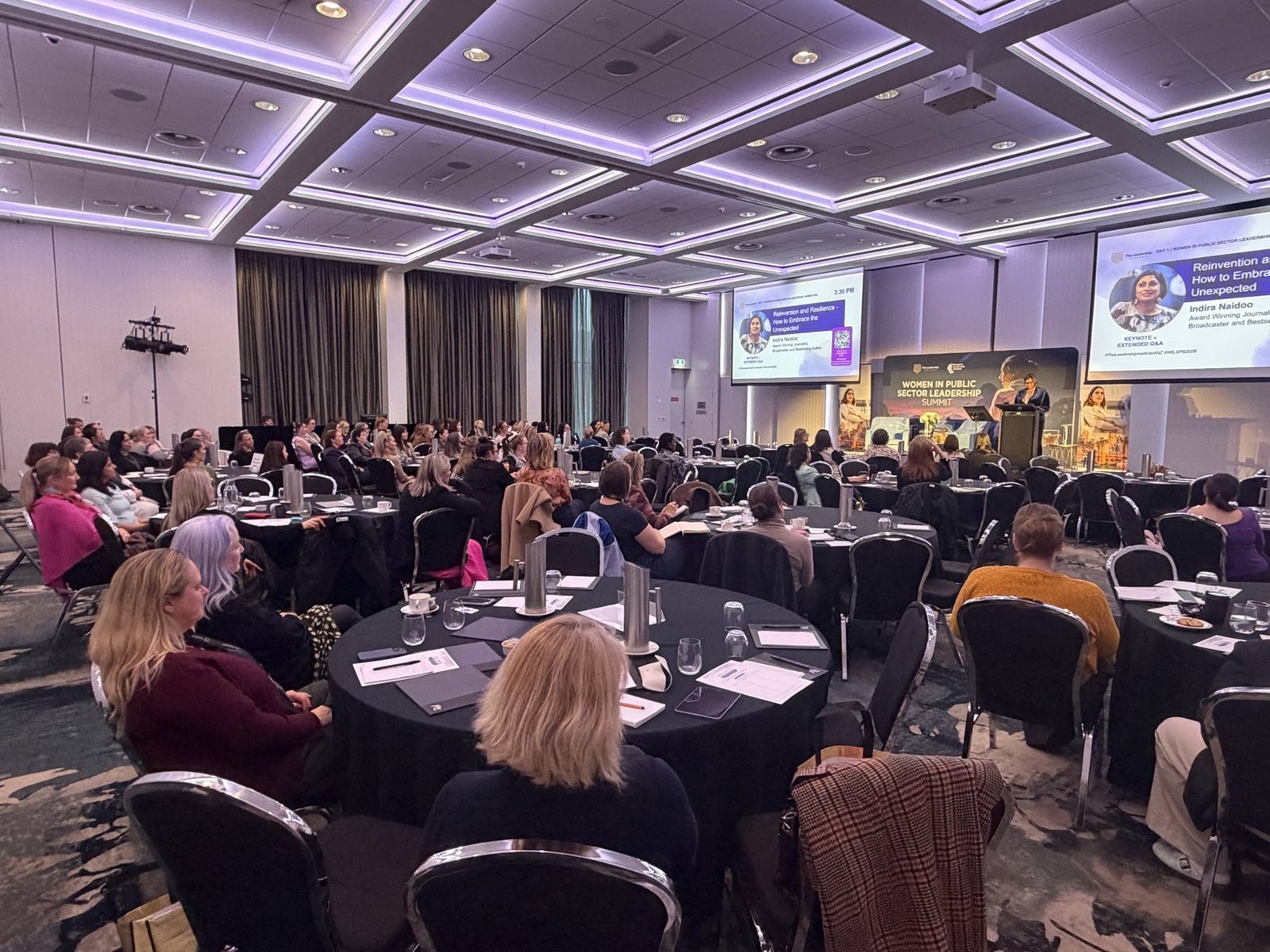
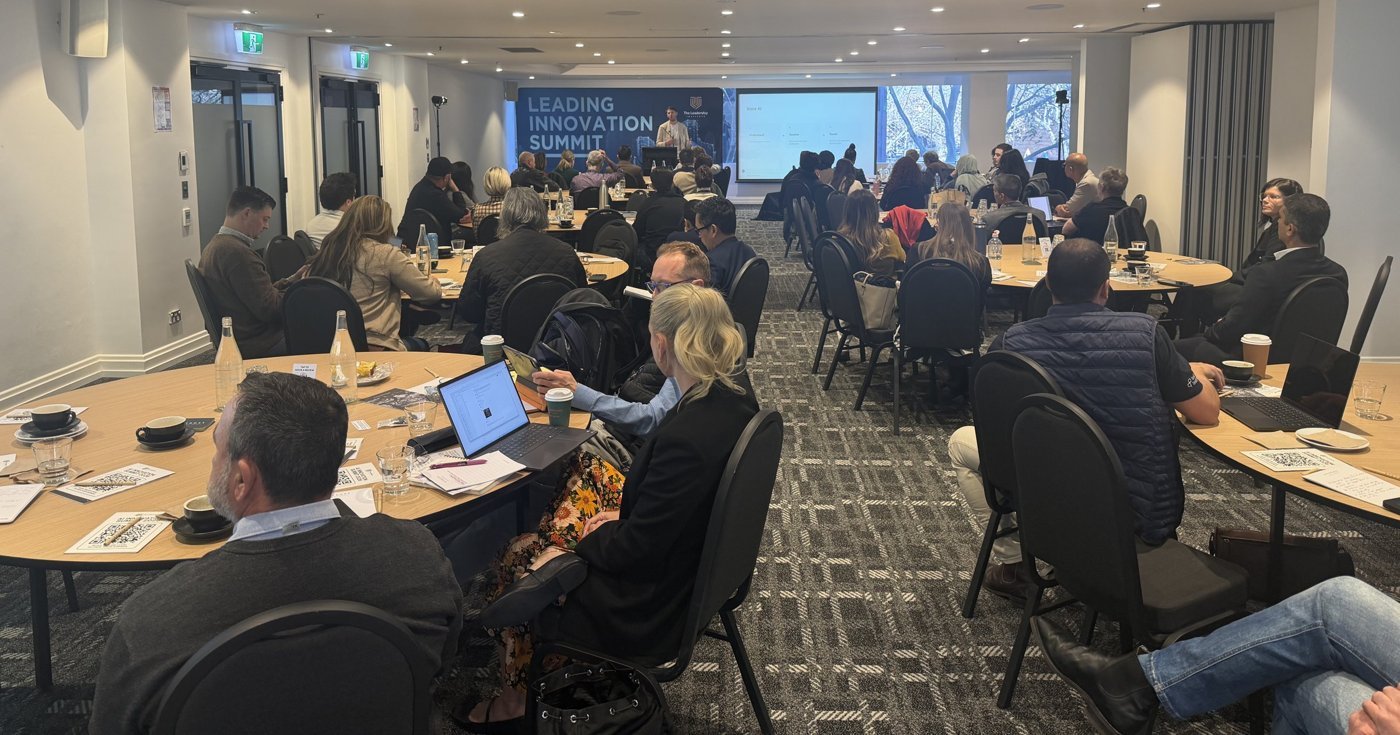
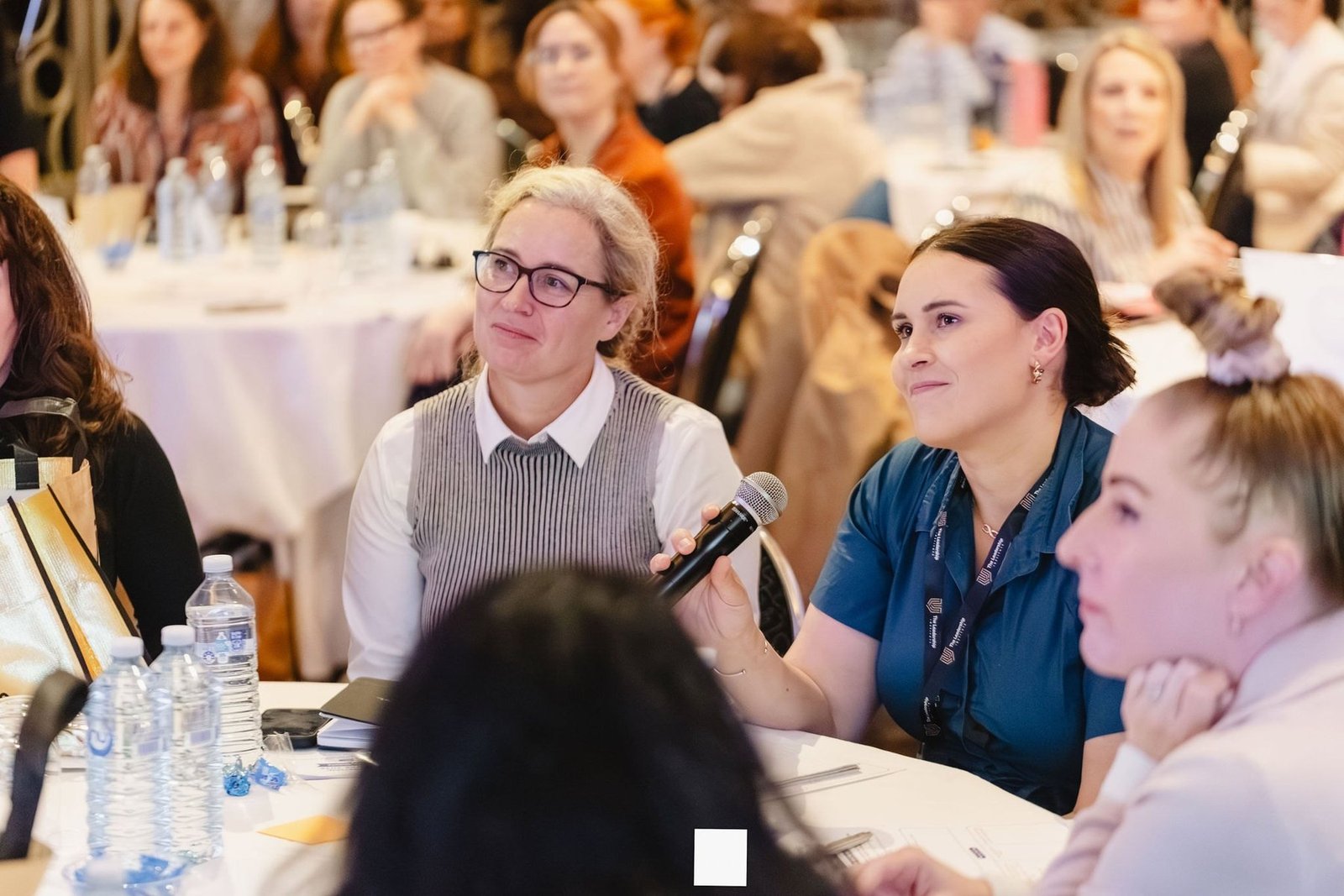
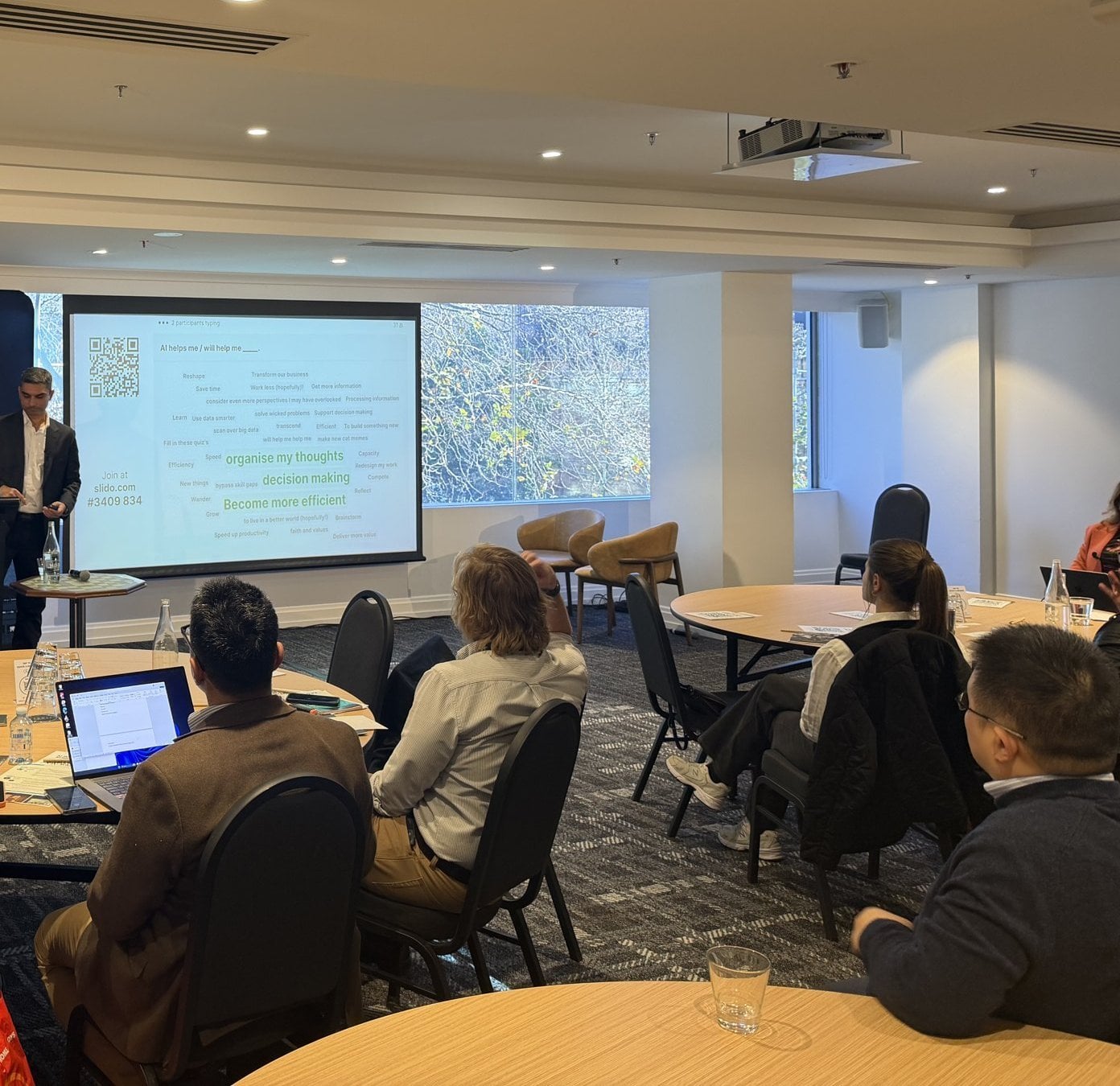
A room full of people who decide


Questions, answered
When and where is the Canberra event?
Mon 3 – Tue 4 May 2027, in Canberra. Day 1 runs 9:00am to 4:20pm and Day 2 runs 9:00am to 4:30pm, local time, with registration from 8:30am each day. The venue will be announced on this page.
Can I attend just one day?
Yes. Day 1 covers AI and Day 2 covers AI and cyber security. Book either day on its own from $1,299 + GST, or both days from $2,099 + GST.
How do I book the 90-day AI plan workshop?
Add it for $699 + GST when you register for Canberra, or choose All-Access, which includes both days and the workshop. It runs online over two mornings, Thursday 13 and Friday 14 May 2027.
Who should attend?
Senior leaders from federal, state and local government: agency executives, council CEOs and directors, Chief AI Officers, CIOs, CISOs, and risk, legal and audit leaders.
Are there group discounts?
Teams of 3–5 save 15% and alumni save 10%. Businesses with 30 staff or fewer can book at the SME rate of $599 + GST a day. Discounts don't combine. For more than ten people, ask us about an in-house session.
Other cities
Book Canberra at First In prices
First In prices end 19 February 2027. Choose Canberra and your ticket when you register.
Book now