.svg)

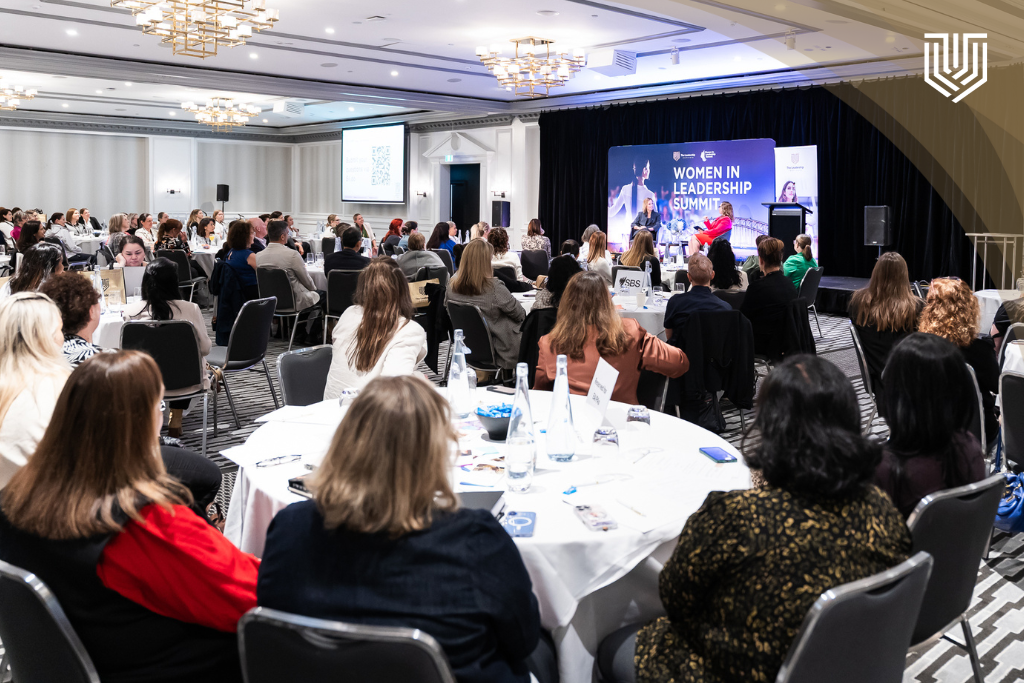
The summit revealed something crucial: resilience isn't just about bouncing back from setbacks. It's about building the connections and mindset that help you navigate uncertainty before it arrives. If you've ever felt stuck in your career or wondered why hard work alone isn't enough, these insights offer a practical roadmap forward.
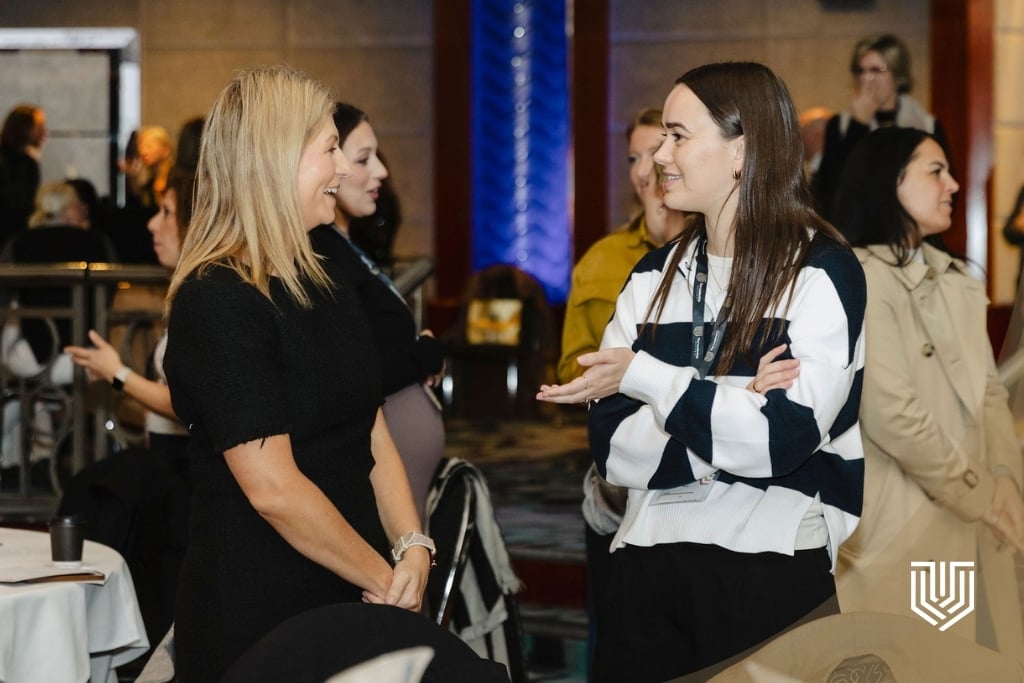
Here's one of the summit's most confronting revelations: hard work and merit alone won't get you where you want to go. Multiple speakers shared experiences of delivering excellent results yet watching others advance more quickly. The difference? Those colleagues had advocates speaking their names in rooms they weren't in.
One executive described her early career as the only female lawyer in small firms. Despite strong technical skills and long hours, male counterparts got invited to client golf days and informal gatherings where relationships deepened. She wasn't deliberately excluded. She simply wasn't actively included. This subtle lack of visibility meant missing opportunities that were never formally advertised.
The research backs this up. Studies show women tend to maintain fewer work-based connections than men, and this gap directly impacts career progression. Understanding this problem points to the solution: you need three distinct types of support.
The Three Types of Support
Mentors are your advisory board. These are people who challenge your thinking and help you see problems from different angles. They don't need to be more senior than you, and the relationship doesn't require formal structure. One coffee every few months with someone who thinks differently can be transformative.
Sponsors are your marketing department. These are people with influence who actively advocate for you when opportunities arise. One summit speaker described how a colleague put her forward to lead a major business strategy. It was a role she'd never have considered for herself. That sponsor said simply: 'I see things you don't see. You're smart, you'll work it out, and I'll support you.' That single act of sponsorship opened doors to executive roles she hadn't imagined possible.
Peer networks provide day-to-day support and honest feedback. These are people who understand your challenges because they're facing similar ones. They're there for the quick question, the reality check, and the celebration of small wins that others might not appreciate.

The Phone Call That Changed Everything
One of the most powerful stories from the summit came from a leader who was completely stuck. She'd had years of success, but now she was trapped in a role going nowhere. She knew she needed to make a change but couldn't move. The fear was too much.
Finally, she forced herself to pick up the phone. She called a more senior leader she'd worked with years earlier. Someone she wasn't even sure remembered her fondly. That call happened 20 years ago. It completely reshaped her career. It led to an opportunity in operational leadership and eventually to an ASX executive role with a billion-dollar P&L.
But here's the important part: she almost didn't make it. The fear of polite dismissal felt worse than staying stuck. When she chose vulnerability over comfort, doors opened.
The strongest professional relationships don't form at networking events. They form in what researchers call 'high-stakes environments.' These are challenging projects, crisis situations, or transformation programmes where people see you perform under pressure. When you deliver in these moments, you build trust that lasts for years.
The summit didn't just identify problems. It offered concrete actions you can take immediately.
Start with Gratitude
Think of one person who impacted your career and reach out to thank them. Tell them specifically what they did and how it helped you. This isn't just nice. It's strategic. That simple act reopens a connection and reminds that person of your capabilities.
Identify your potential sponsors. Look for people with influence who've seen your work in action. They don't have to be the most senior person in the organisation. The key is building genuine rapport over time. Sponsorship relationships can't be transactional. Invest in the relationship by finding ways to help them too.
Get comfortable asking for help. Multiple speakers admitted they still find this difficult, even at executive levels. But here's what they've learnt: asking for help actually strengthens relationships rather than weakening them. Most people genuinely want to help and feel honoured to be asked. As one leader put it: 'Practice asking for help, because you get better at it the more you do.'
Take Small Actions That Make Big Differences
- When someone's idea gets repackaged in a meeting, call out the original person: 'I think that was a great suggestion X raised earlier.'
- Invite junior staff to shadow you in important meetings so they can build their own connections with senior stakeholders.
- Introduce people who should know each other, even within your own company.
- Create inclusive networking opportunities. One executive never schedules team drinks after work because people have caring responsibilities. Instead, she organises lunches during work hours.
- Say yes to stretch opportunities. When offered a role that feels beyond your current capabilities, the instinct is to list all the reasons you're not qualified. Multiple summit speakers shared stories of doing exactly that, only to have a sponsor say, 'I see what you don't see. You'll work it out.' One executive was asked to become Chief of Staff despite knowing nothing about the role. Her CEO chose her because she'd built relationships across the organisation. That stretch role led to her becoming Chief Customer Officer.
Overcome the Fear of Reaching Out
Career resilience isn't about never struggling. It's about having people in your corner when things get hard. You don't need to overhaul your entire professional life. Just pick one action for this week. Reach out to someone who helped you years ago. Say yes to something that scares you. Introduce two people who should know each other.
That career-changing phone call one executive made 20 years ago? She was reaching out to someone she'd barely worked with. Your version of that call might be sitting in your contact list right now.
And remember to be that person for someone else. One speaker shared how she tells people on her team: 'I'm holding a mirror up to you. There are things you're not seeing in yourself.'
Your career isn't a solo journey. The people who believe in you, challenge you, and back you when you doubt yourself—that's what makes the difference. Start small. Start now. The courage to reach out is often what moves you forward.