.svg)


Latest News
Why the higher you climb, the more leadership becomes a relationship game.
Early in a career, getting ahead is mostly about competence. You do the task well, hit the deadline, solve the problem in front of you. But somewhere along the way the rules quietly shift. The further you rise, the less your progress depends on what you can do alone, and the more it depends on who trusts you, who advocates for you, and who is willing to come on the journey with you.
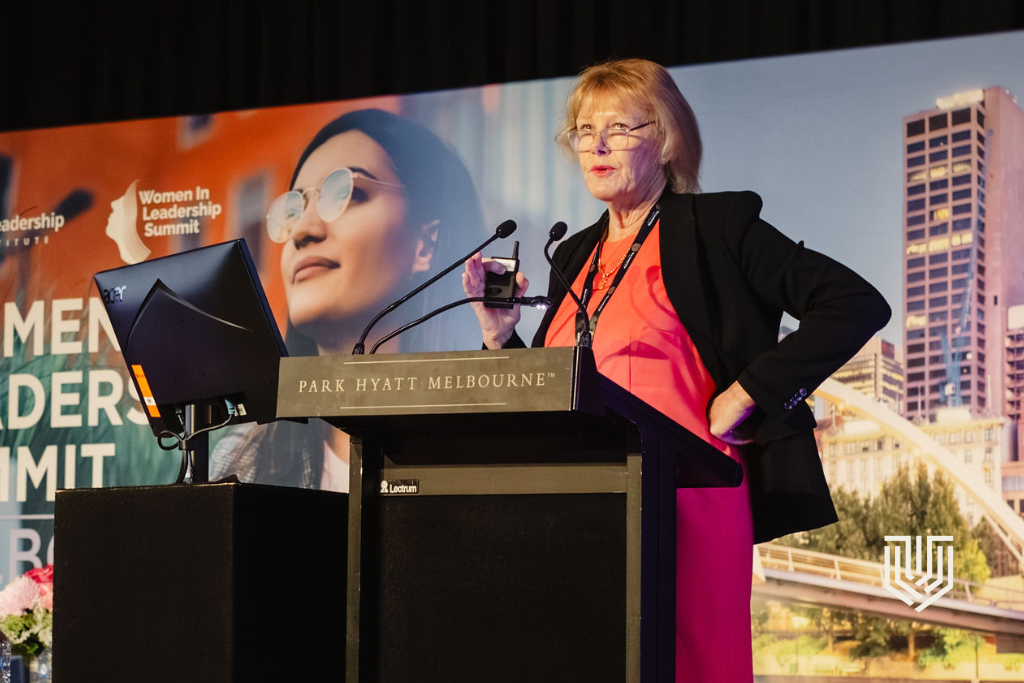
That shift was the heart of one of the most popular sessions at our recent Women in Leadership Summit in Melbourne. In her opening keynote, "Building the Relationships That Shape Your Rise to CEO," Sue Williams, Chief Executive Officer of Cabrini Australia, drew on a career that began on the frontline of nursing and led to the top of one of the country's most respected healthcare organisations. Her central message was that relationships become more important as you climb, not less, and that building and managing them well is one of the real skills of leading at the top.
The numbers behind the climb
Women make up close to half of Australia's workforce, yet representation thins dramatically toward the top. According to Chief Executive Women, roughly nine in ten chief executives at Australia's largest listed companies are still men.
The gap does not appear at the top. It begins on what McKinsey's research calls the "broken rung": at the very first step up to manager, fewer women are promoted than men. Because that first rung is where the pipeline is built, a small early gap compounds into a large one by the time you reach the executive floor. The challenge, in other words, is rarely capability. It is visibility, credibility, and access to the relationships where decisions actually get made.
Mentors open doors. Sponsors walk you through them.
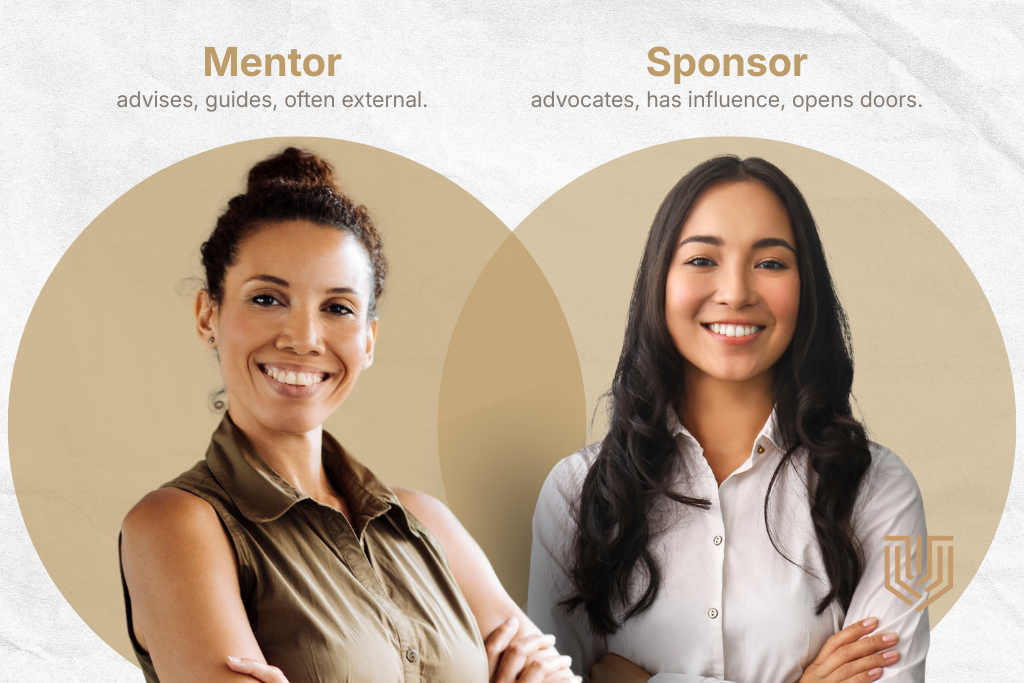
The single most useful distinction Sue offered was the difference between a mentor and a sponsor. A mentor gives you advice and a safe place to think out loud, and is often most valuable when they sit outside your organisation, free to be candid without a stake in the outcome. A sponsor is someone with influence who advocates for you when you are not in the room, the person who says "have you considered her?" when a promotion is being discussed.
Mentorship helps you imagine your future. Sponsorship helps make it real. Research by PayScale has found that professionals with a sponsor tend to earn meaningfully more than their unsponsored peers. Yet women are often over-mentored and under-sponsored: generously advised, but less often championed for the roles that matter. So do not only collect mentors. Identify the one or two genuinely influential people who could advocate for you, and when you have influence yourself, use it.

Credibility is built in the small, consistent moments
If sponsorship gets you considered, credibility is what makes people back you, and as Sue described it, that is built less in the big set-piece presentations than in the quiet everyday. The higher you go, the more you are watched, and people are constantly asking one question: can this person be trusted? That trust is earned through consistency, behaving the same way under pressure as on a calm day, and through genuinely listening, including being willing to change your mind when the evidence shifts.
A few simple habits compound: acknowledge people regardless of where they sit, explain the reasoning behind hard decisions and frame it for the people it affects, and let your team do the work even when you could do it faster. Doing everything yourself only builds a bottleneck.
From insight to action
Sue closed with a set of practical moves anyone can start now:
- Build three to five cross-functional relationships, and learn how other teams solve problems.
- Ask to observe a senior or board meeting rather than waiting to be invited. Most leaders welcome the initiative.
- Identify one or two sponsors, and invest in those relationships before you need them.
- Step outside your organisation through a professional body, an industry event, or a secondment.
- Volunteer for a high-stakes project. The ones that stretch you most are often where you learn the most and get noticed.
The takeaway
Leadership rarely arrives with certainty. Technical brilliance gets you in the door, and relationships carry you the rest of the way. They determine which opportunities open, who advocates for you when you are not there, and whether people trust you enough to follow you somewhere difficult. So invest in them the way you would any serious leadership skill: intentionally, consistently, and well before you think you need to.
With thanks to Sue Williams, Chief Executive Officer of Cabrini Australia, for her opening keynote at The Leadership Institute's Women in Leadership Summit, Melbourne.