


Melbourne
Ben JiangDirector – Data, AI, Systems Assurance and Digital AuditVictorian Auditor-General's Office Day 1 · Leading AI in government
Two days, five cities. One day on getting real results from AI, one day on leading when cyber attacks get smarter. Plain-English briefings for the people who decide.
AI & cyber for government leaders. Two days in Canberra built for federal, state and local government: turning AI policy into practice, and leading when AI-enabled attacks hit the public sector.
The tools that help your organisation work faster are the same tools attackers now use against it. New rules on automated decisions and ransomware reporting put both squarely on the leadership agenda.
This roadshow gives senior leaders a clear, practical briefing on both, in your own city, with peers who face the same decisions.
Technical content explained for executives, boards and their advisers.
Every city has its own panellists who have scaled AI and led through cyber incidents.
Table work, a live crisis simulation and a 90-day AI plan you build yourself.
Same price in every city. All prices exclude GST.
Each city has its own line-up of leaders who have scaled AI and led through cyber incidents. Choose your city above to see who's speaking there.
Day 1 · Leading AI in government
 Day 1 · From pilots to payoff: leaders who've scaled AI

 Day 1 · From pilots to payoff: leaders who've scaled AI

 Day 1 · AI agents at work: what's really happening

 Day 2 · When it happens to you: leading through a cyber crisis

 Day 2 · When it happens to you: leading through a cyber crisis

 Day 2 · When it happens to you: leading through a cyber crisis

 Day 2 · Who's liable when AI goes wrong?

 Day 2 · Crisis simulation: the AI attack

 Day 1 · From pilots to payoff: leaders who've scaled AI


 Day 1 · From pilots to payoff: leaders who've scaled AI

 Day 1 · From pilots to payoff: leaders who've scaled AIDay 2 · Who's liable when AI goes wrong?Day 2 · Crisis simulation: the AI attack

 Day 1 · Keynote: The Essential AI Update 2027: from pilot to production in industry

 Day 1 · From pilots to payoff: leaders who've scaled AI

 Day 1 · From pilots to payoff: leaders who've scaled AI

 Day 1 · From pilots to payoff: leaders who've scaled AI

 Day 1 · The new rules: AI obligations every leader must know

 Day 2 · When it happens to you: leading through a cyber crisisDay 2 · Who's liable when AI goes wrong?Day 2 · Crisis simulation: the AI attack

 Day 1 · From pilots to payoff in government

 Day 1 · From pilots to payoff in government

 Day 2 · AI and cyber accountability in governmentDay 2 · Crisis simulation: the AI attack on governmentDay 1 · From pilots to payoff: leaders who've scaled AI

 Day 1 · The new rules: AI obligations every leader must knowDay 2 · Crisis simulation: the AI attack
Each day stands on its own. Choose the AI day, the cyber day, or both for the full picture. The program below runs in Melbourne, Brisbane, Perth and Sydney.
Showing the national program (Melbourne, Brisbane, Perth and Sydney). Canberra has its own government agenda: choose Canberra to see it.
What's changed, what the rules now say, and how leaders who've scaled AI got past the pilot stage. A full day of plain-English briefings for the people who decide.
What's changed, what's coming, and how to set your organisation up for 2027
Six months is a long time in AI. Since late 2026 the models, the costs, the tools and the rules have all moved, and most leaders haven't had time to keep up. This opening keynote gives you the plain-English picture of what's happening and why it matters, so you're prepared for the rest of 2027 instead of catching up. Then it turns to the practical question: how should a large organisation be set up for AI this year? That means who owns it, where the money goes, which guardrails need to be in place and what your board or executive needs to see.
 PerthWayne O'Rourke GAICDGM AI, Data & Analytics, Mineral Resources | Data & AI Advisor to Executives and BoardsMineral ResourcesKeynote: The Essential AI Update 2027: from pilot to production in industry
 Speaker to be announced
How federal and state agencies are rolling out AI through constant change
Government is moving faster on AI than most people realise. Federal agencies have appointed Chief AI Officers and are working to new whole-of-government policy, while every state is putting its own frameworks in place. Agencies are rolling out AI while the technology, the rules and public expectations keep shifting under them, all under close public scrutiny. Hear how federal and state leaders are managing that pace of change, what's working, what isn't, and what every leader can borrow.
 MelbourneBen JiangDirector – Data, AI, Systems Assurance and Digital AuditVictorian Auditor-General's Office
 Speakers to be announced
An honest conversation about what it really takes
Most large organisations have run an AI pilot. Far fewer have turned one into results that show up in the numbers. This panel brings together three leaders from different sectors who have done it. They'll talk frankly about the pilots they backed and the ones they shut down, what it cost, how long it really took, and the resistance they met along the way from staff, unions, risk teams and their own executive. They'll share the measures that finally convinced their CFO and board, and what they would do differently if they were starting again in 2027. Expect real numbers, real setbacks and time for your questions.
 MelbourneSarah CarneyHead of Artificial IntelligenceAustralianSuper

 MelbourneAlistair Grevis-JamesHead of Artificial Intelligencecarsales

 Brisbane · SydneyAnuj AnandChief Information OfficerAusenco

 BrisbaneAlex OwensCo-Founder & Chief AI Officer, Chieftns | Senior AI Product Owner, AureconChieftns | Aurecon


 BrisbaneEmily AdamsManager, AI Digital SquadAPA Group

 PerthRebecca OstergaardChief Digital OfficerCSIRO

 PerthTracy Deveugle-FrinkChief Technology OfficerAPM

 PerthBenedict D'LimaChief Information OfficerCity of Gosnells
 Panellists to be announced
AI is now a compliance issue as much as a technology one
From 10 December 2026, organisations covered by the Privacy Act must tell people when automated systems make decisions about them. Add procurement, liability and governance expectations, and AI is now a compliance issue as much as a technology one. This is the plain-English version.
 PerthAriel BastianSpecial CounselJackson McDonald

 SydneySinead LynchPartner – Digital, Data & CyberGadens
 Speaker to be announced
Redesigning work, building skills and leading through the uncertainty
The technology is the easy part. The hard part is people. Your staff are already using AI, often without telling you, and many of them are quietly worried about what it means for their jobs. This session follows a large organisation that has been through it: how they worked out which roles and tasks would change, how they built AI skills across the whole workforce rather than a handful of enthusiasts, and how they consulted staff and unions before rolling anything out. You'll hear what happened to the time AI freed up, what they did about entry-level roles, and how they kept their best people when every competitor was trying to hire them. Honest lessons, including what they'd do differently.
What agents are doing inside a large organisation today, and what to check first
AI agents that can plan and act on their own are arriving in everyday software. In this closing keynote, a senior leader who has put agents to work in a large Australian organisation shares what they're doing today, what went wrong and the guardrails they put in place. You leave knowing what to check before your organisation switches one on.
 MelbourneKetan ChowhanHead of Growth & Innovation – Business ApplicationsNTT DATA
 Speaker to be announced
How AI is changing the attacks, the risks and the accountability, explained for the people who make the decisions. No jargon and no product pitches. Bring your GC, CFO or CISO.
What AI has changed about cyber attacks in 12 months, and how to stop them
AI has made cyber attacks faster, cheaper and far more convincing. Criminals now clone an executive's voice or face to approve a payment, write flawless phishing emails in seconds, use AI to find weaknesses and write ransomware, and target the AI tools and agents your own staff are using. This opening keynote explains, in language built for leaders rather than technicians, what has changed in the last 12 months, the AI-enabled attacks hitting Australian organisations, and what's coming next. Then it turns to prevention: the handful of controls that stop most attacks, the checks that defeat a deepfake, and the questions you should be asking your security team now.
Protecting citizens' data as government puts AI to work on it
Government agencies hold some of the most sensitive data in the country and are among the most targeted organisations. Now they are also putting AI to work on that data. A public sector security leader shares what it takes to protect citizens' data as AI is rolled out, and how agencies work with national and state cyber bodies when something goes wrong.
Incidents, near misses and what leaders learned the hard way
Every large organisation has had a cyber scare, and most never make the news. This panel brings together security and technology leaders who have managed serious incidents: ransomware that was contained, a supplier's breach that exposed their data, a deepfake payment request that nearly went through. They take you through what really happened: how they found out, the calls they made in the first hour, whether to pay, and who they had to tell and when, from the board and insurer to regulators, customers and the media. They'll talk about the decisions they got right, the ones they'd change and what it cost. Then they'll share what they've put in place since, so you can do it before it happens to you. Expect candid answers and time for your questions.
 MelbourneJoo Soo LimHead of Information SecurityEricsson

 MelbourneJoanna DaltonHead of Cyber DefenceREA Group

 MelbourneMark BrincatActing Chief Digital OfficerThe Royal Children's Hospital

 PerthMia Araminta-FeeCybersecurity Resilience & AI Program ManagerSouth32
 Panellists to be announced
Your legal accountability for AI and cyber incidents
When an AI tool leaks customer data, an agent takes an action nobody approved, or a deepfake tricks your finance team into a payment, the questions quickly turn to who is accountable. Privacy penalties have climbed, individuals can now sue for serious invasions of privacy, ransomware payments must be reported within 72 hours, and directors are expected to oversee AI risk as closely as cyber risk. This briefing sets out what leaders, directors and officers are personally accountable for, and what your AI supplier contracts need to say before something goes wrong.
 Melbourne · Brisbane · PerthCameron WhittfieldPartner, Cyber, Data and Emerging TechnologiesHerbert Smith Freehills Kramer
 Speaker to be announced
Shadow AI, AI agents and the data you're giving away
Your staff are already using AI, often without telling you, and your organisation is rolling out AI tools and agents of its own. Each one creates new ways for data to leak and for attackers to get in. Staff paste customer records and strategy documents into public chatbots. AI agents connected to your email and systems can be tricked into handing over information or taking actions nobody approved. And your AI suppliers may be storing, training on or sharing your data in ways the contract never made clear. A security leader who has put AI controls in place at a large organisation shows where the real risks sit, the controls that work without banning AI, and where AI is genuinely helping security teams defend.
Deepfakes, rogue AI agents and an AI-written ransomware attack, in 70 minutes
It's 6am on a Monday and the attack has already started. Over the next 70 minutes your table becomes the crisis team of a large organisation as an AI-powered attack escalates in four rounds. First, a deepfake video call from your "CEO" demands an urgent payment. Then one of your own AI agents starts sending data where it shouldn't. Next, an AI supplier tells you they've been breached, and staff have been pasting customer records into their tool. Finally, AI-written ransomware locks your systems and your data appears on a leak site. Each person at the table takes a leadership role, and every decision shapes what happens next. Experienced incident responders run the exercise and debrief every round, so you see what a real response team would have done and why. You leave with a decision checklist you've tested under pressure and can take straight back to your executive.
 Melbourne · Brisbane · Perth · SydneyJay BanerjiDirector – Digital Forensics & Incident ResponseThales
 Facilitators to be announced
Two days built for federal, state and local government. Day 1 covers what the new policies and rules expect of agencies and councils, and how leaders across government are turning AI policy into better services.
What's changed, what's coming, and how agencies should set themselves up
Six months is a long time in AI. Since late 2026 the models, the costs, the tools and the rules have all moved, and government has moved with them. Federal agencies are working to whole-of-government AI policy, states and territories have their own frameworks, and councils are starting to use AI in everyday services. This opening keynote gives you the plain-English picture of what's happening and what it means for the public sector, so you're prepared for the rest of 2027 rather than catching up. Then it turns to the practical question: how should an agency or council be set up for AI this year? That means who owns it, where the funding comes from, which guardrails need to be in place and what your executive and audit committee need to see.
How the people leading AI across government are making it work
Across government, someone now owns AI. Federal agencies have appointed Chief AI Officers and AI Accountable Officials, states and territories are creating similar roles, and many councils have handed the job to a CIO or digital lead on top of everything else. A year in, what does the role really look like? Leaders from federal, state and local government share how they set direction, decide what to approve and what to stop, manage risk without blocking progress, and get traction with busy executives and ministers or councillors. You'll hear what they'd tell a new appointee on day one, and how they're building capability when budgets are tight.
An honest conversation about what it really takes
Most agencies, councils and not-for-profits have tried AI. Far fewer have turned a trial into a service the public relies on every day. This panel brings together leaders from federal, state and local government, defence, research institutes and not-for-profits who have done it. They'll talk frankly about the trials they backed and the ones they stopped, how long it really took, how they handled procurement and security sign-off, and how they consulted staff and unions along the way. They'll share how they proved the value to their executive and the public, how they kept trust when things didn't go to plan, and what they'd do differently if they were starting again in 2027. Expect real examples and time for your questions.
 CanberraCaleb MullerHead of AI and DataBurnet Institute

 CanberraMike MoroneyFormer Executive Director, Defence AI CentreDepartment of Defence
 Panellists to be announced
What is mandatory where, who is accountable, and what to check first
Government's AI obligations are growing at every level. Federal agencies work under the Policy for the responsible use of AI in government, publish AI transparency statements and assess the impact of their AI use, and from 10 December 2026 the Privacy Act requires transparency about automated decisions. States, territories and councils have their own frameworks and privacy laws. This briefing sets out what is mandatory where, who is accountable, and what to check before you buy or deploy.
Building capability, redesigning roles and bringing people with you
AI literacy is fast becoming a baseline expectation for public servants at every level of government. This session follows an agency that has been through it: how they built AI skills across the whole workforce rather than a handful of specialists, worked out which roles and tasks would change, and consulted staff and unions before rolling anything out. You'll hear how they handled the worries about job security, what happened to the time AI freed up, how they kept the expertise that makes public services work, and what they'd do differently. The lessons apply whether you lead a federal department, a state agency or a council.
What agents can safely do today, and what to check first
AI agents that can plan, complete tasks and act across systems are arriving in the software government already uses. Handled well, they could clear backlogs, speed up case processing and free staff for the work that needs human judgement. Handled badly, they create new risks for privacy, security and public trust. In this closing keynote, a public sector leader who is putting agents to work shares where they're being used today, what they can and can't safely do, and the guardrails, human oversight and approvals to have in place before you switch one on.
Leaders at every level of government own security outcomes. Day 2 covers how AI is changing the threats facing agencies and councils, your accountability for AI and cyber security, and a live AI attack simulation that ends with a ministerial brief and public scrutiny.
What AI has changed about attacks on the public sector, and how to stop them
Government is one of the most targeted sectors in Australia, and AI is making attacks on agencies and councils faster, cheaper and far more convincing. Criminals now clone a senior official's voice or face, write flawless phishing emails in seconds, talk their way past help desks to reset passwords, and target the AI tools your own staff are using. State-backed groups are after government data, and criminal gangs see councils and smaller agencies as easier targets with valuable records. This briefing explains, in plain English, the attacks hitting federal, state and local government in 2027 and what they mean for senior leaders, not just security teams. Then it turns to prevention: the handful of controls that stop most attacks, the checks that defeat a deepfake, and the questions to ask your security team now.
Keeping the public's most sensitive information safe
Government holds some of the most sensitive data in the country: health records, tax and benefit details, identity documents, rates and property records, and information about children and vulnerable people. Citizens don't get a choice about handing it over, which makes protecting it a matter of public trust. A senior leader shares what it takes to keep that data safe across shared services, ageing systems, contractors and partner agencies, and how to decide what you actually need to keep. You'll hear how agencies and councils work with each other and with national and state cyber agencies, and how to keep public trust when something goes wrong.
Incidents, near misses and what leaders learned the hard way
Every agency and council has had a cyber scare, and most never make the news. Leaders from federal, state and local government who have managed serious incidents, from contained ransomware and contractor breaches to near misses, take you through what really happened: how they found out, the calls they made in the first hour, and who they had to brief and when, from their secretary, CEO, minister or mayor to cyber agencies, privacy regulators, police, the public and the media. They'll talk about the decisions they got right, the ones they'd change, how they kept services running and how they supported exhausted staff. Then they'll share what they've put in place since, so you can do it before it happens to you. Expect candid answers and time for your questions.
Who is accountable when AI or a cyber incident goes wrong
When an AI system makes a harmful decision or a cyber incident hits, the questions quickly turn to who was accountable and what they did about it. Federal agencies work under the Protective Security Policy Framework and the Policy for the responsible use of AI in government, where accountable authorities, senior executives and AI Accountable Officials own the outcomes. States and territories have their own cyber and AI policies, and councils face growing expectations from state governments, auditors and their communities. This session sets out who is accountable for what at each level, the role of audit and risk committees, what the Essential Eight expects, and how to report on AI and cyber risk honestly and with confidence.
 CanberraAmanda-Kate WescombeSpecial Counsel, AI, Cyber Security & Emerging TechnologyNorton Rose Fulbright
 Speaker to be announced
Shadow AI, AI agents and the public's data
Agencies and councils are adopting AI quickly, through whole-of-government platforms, the software they already use and the tools staff try on their own. Each one creates new ways for sensitive information to leak and for attackers to get in. A public sector security leader shows where the real risks sit: staff pasting official information into public tools, AI agents with access to agency systems, and contractors and AI suppliers handling government data. You'll hear the controls that work without blocking adoption, how they fit with existing security policy, and where AI is already helping security teams defend.
Deepfakes, rogue AI agents and AI-written ransomware, ending with a ministerial brief
It's 6am on a Monday and the attack on your agency has already started. Over the next 70 minutes your table becomes the crisis team of a government agency as an AI-powered attack escalates in four rounds. First, a deepfake video call from your "secretary" demands an urgent decision. Then an AI agent used in a public service starts sending citizens' data where it shouldn't. Next, an AI contractor tells you they've been breached, and staff have been pasting official information into their tool. Finally, AI-written ransomware locks your systems, public services start to fail and citizens' records appear on a leak site. Each person at the table takes a leadership role, and every decision shapes what happens next. You'll write a ministerial brief mid-incident, then face tough questions from a parliamentary committee or council meeting. Experienced incident responders run the exercise and debrief every round, so you see what a real response team would have done and why.
CanberraJay BanerjiDirector – Digital Forensics & Incident ResponseThalesFacilitators to be announcedCanberra has its own two-day agenda built for leaders in federal, state and local government.
40 to 60 senior leaders in each of five cities: CIOs, CISOs, heads of AI, general counsel and the executives who sign off on AI and cyber spend, plus a dedicated government audience in Canberra. Real conversations at breaks, lunch and networking drinks, not a trade-show floor.
For Australian AI and cyber companies with under 20 staff. A table in the delegate break area, one pass and your logo on the event website.
Reserve a tablePartners present alongside a client, never alone: delegates come for practitioners, not product pitches.
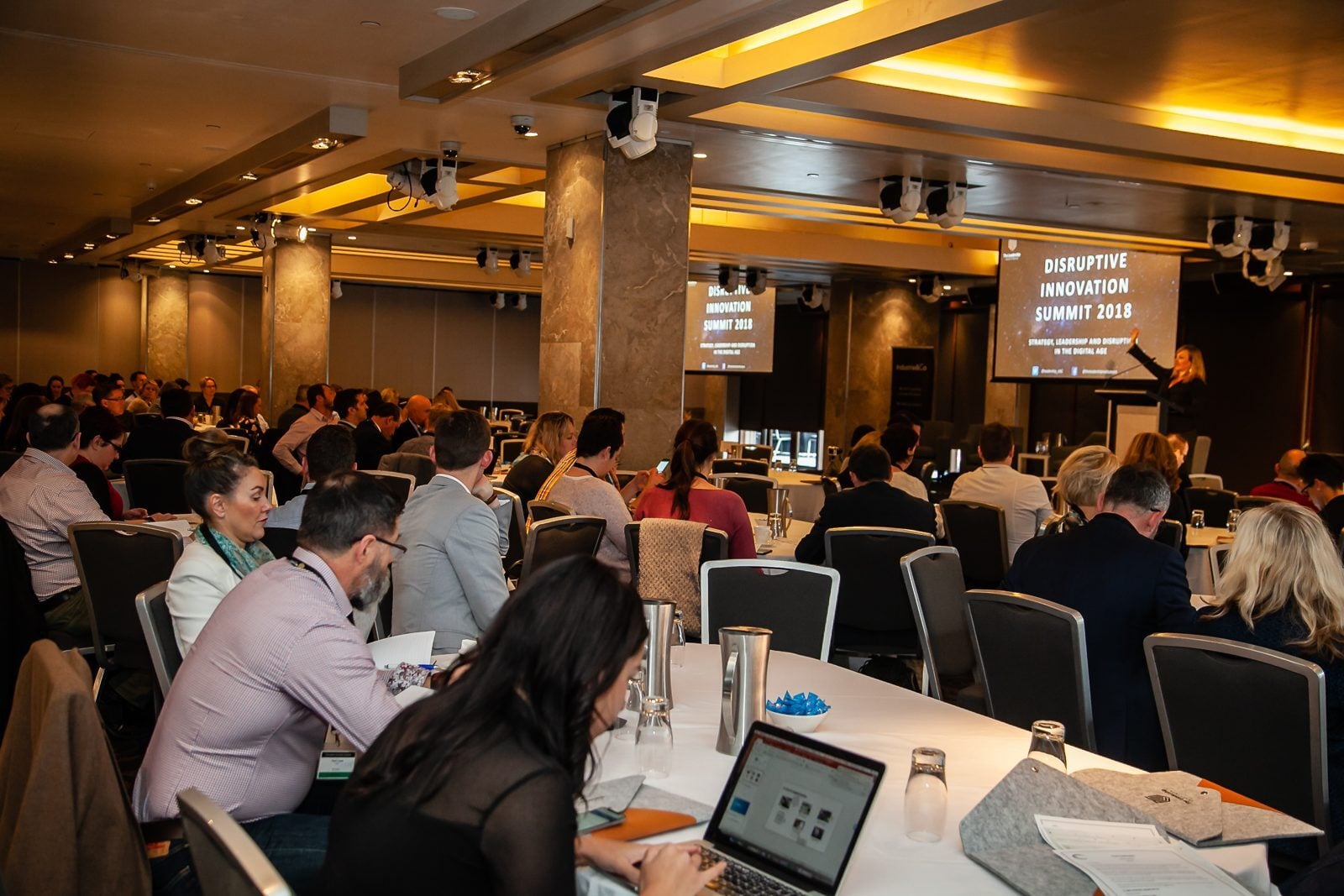
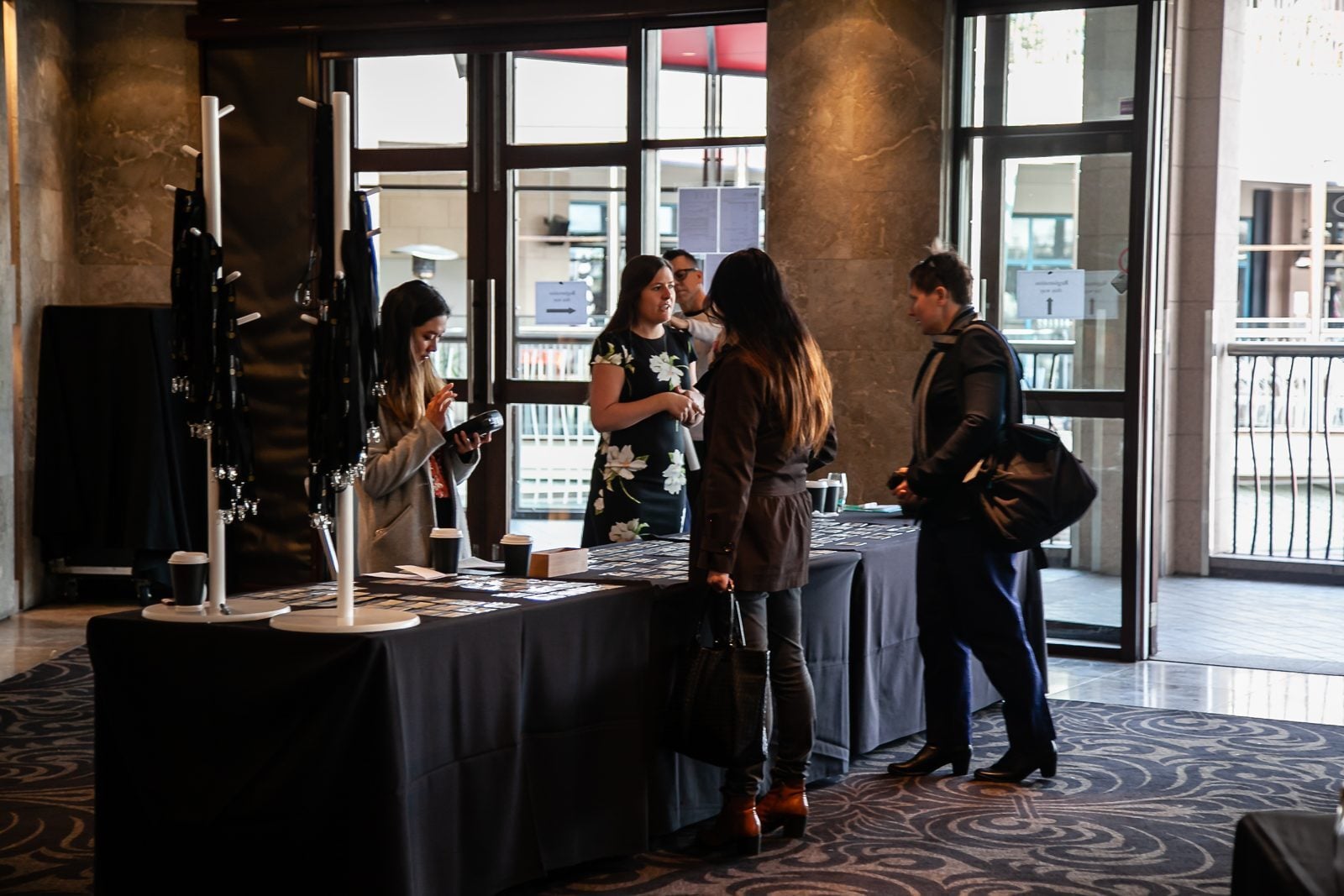
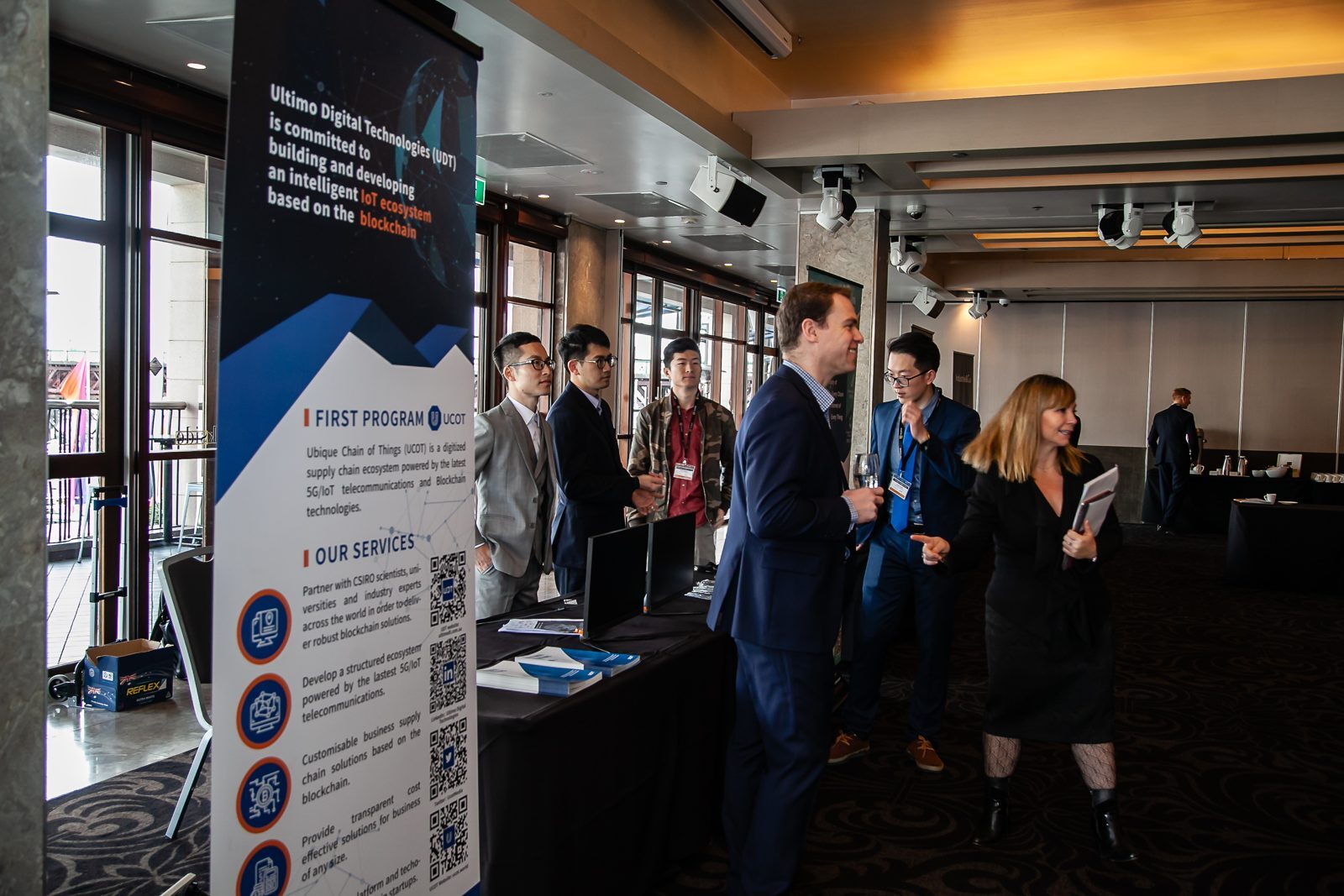
This roadshow grows out of our Disruptive Innovation Summit (2018–2019) and Leading Innovation Summit. Here's what past delegates told us in their feedback forms.
I thought it was a very well curated program and the calibre of speakers and discussion was invaluable. I'll definitely be coming back next year and sending some of my team!
I found the conference extremely informative and was particularly impressed with audience engagement and the intelligent discussion between different industries. Of all the events I participated in, it was one of the best!
One of the most impressive line-ups I've seen at an event. We saw tremendous value in being a part of the inaugural event.
Great day for customer insights and how to lead. Loved it. Lots of takeaways.
Exceptional. I have never had disruption so clearly articulated.
Some really good mixes of theoretical vs practical across presenters. Very well balanced.
Brought it all together, plus fresh thinking, ideas and case studies.
Great presentation with practical help for large corporates.
Excellent. Very interesting and relevant.
I really enjoyed every presentation today. Each presenter gave clear, tangible examples related to leading and embedding a culture of innovation, which was exactly what I wanted to hear about.
Really enjoyed today! My eyes have been opened to new exciting tech changing the world, and I've made some great connections.
Really great to be part of this event. All in all, I really appreciate the organisation, catering, calibre of speakers and venue.
Probably the most engaging presentation. Engaged the audience at a higher level on mission, vision and perception of customers.
Brilliant, inspiring presentation.
Great mix of speakers and fields!
A plain-English read on what's changed in AI in the last six months, the new obligations (automated-decision transparency from 10 December 2026, directors' duties for AI and cyber risk), a crisis checklist tested in a live AI attack simulation, and a 90-day AI plan.
40 to 60 senior leaders in your city: CIOs, CISOs, heads of AI, general counsel, CFOs and the executives who sign off on AI and cyber decisions, plus practitioners who've scaled AI and led through cyber incidents.
One day is $1,299 + GST and both days $2,099 + GST at First In rates until 31 December 2026. Teams of 3 to 5 save 15%. If you can't make it, a colleague can attend in your place, and you can pay by invoice or purchase order.
Prices in AUD, excluding GST.
A hands-on online workshop for leaders in business and government. Over two mornings you triage your pilots, build the case for approval, set guardrails for AI security and agents, and leave with a 90-day plan your executive, board or minister can approve. Choose the business or government template pack on the day.
The Leadership Institute has brought senior leaders together across Australia for years. Expect real conversations, not a trade show.

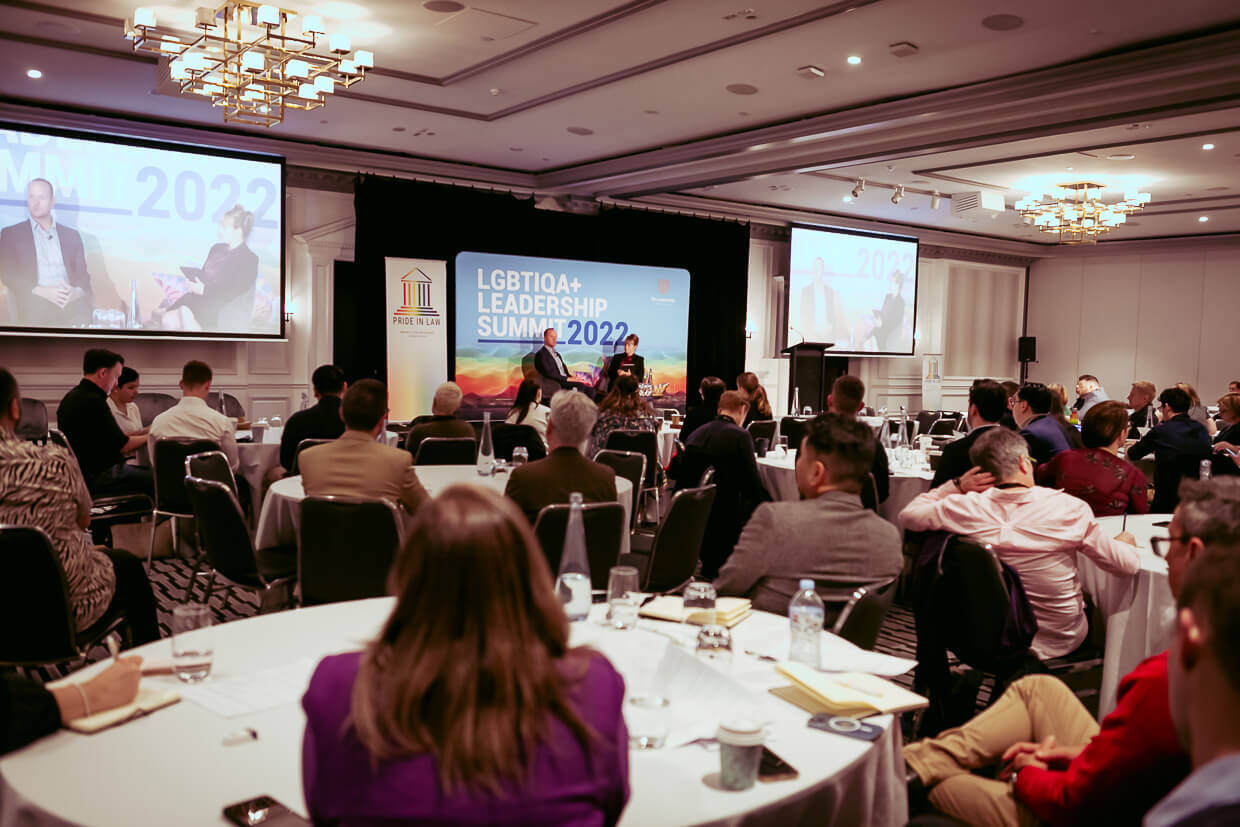

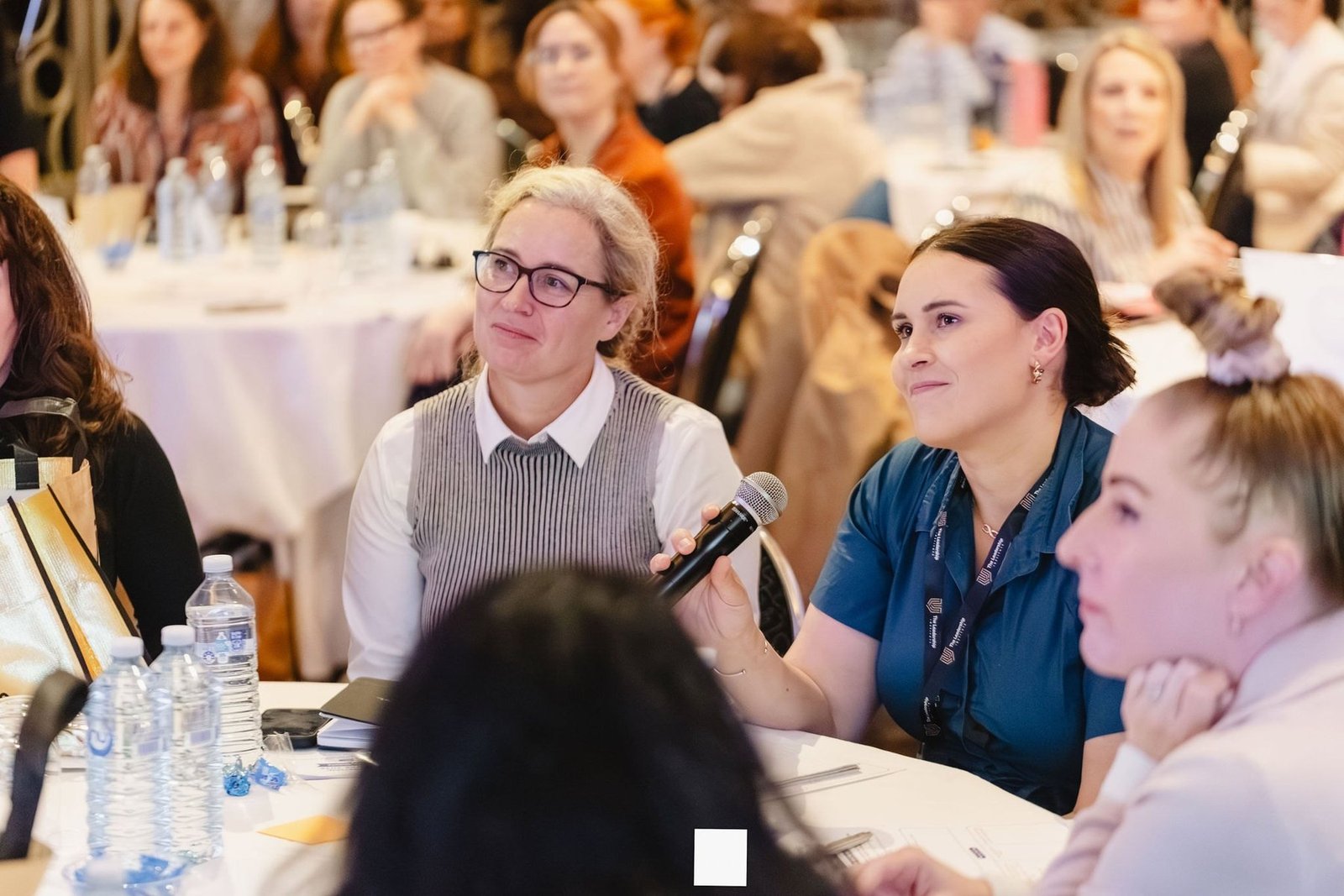
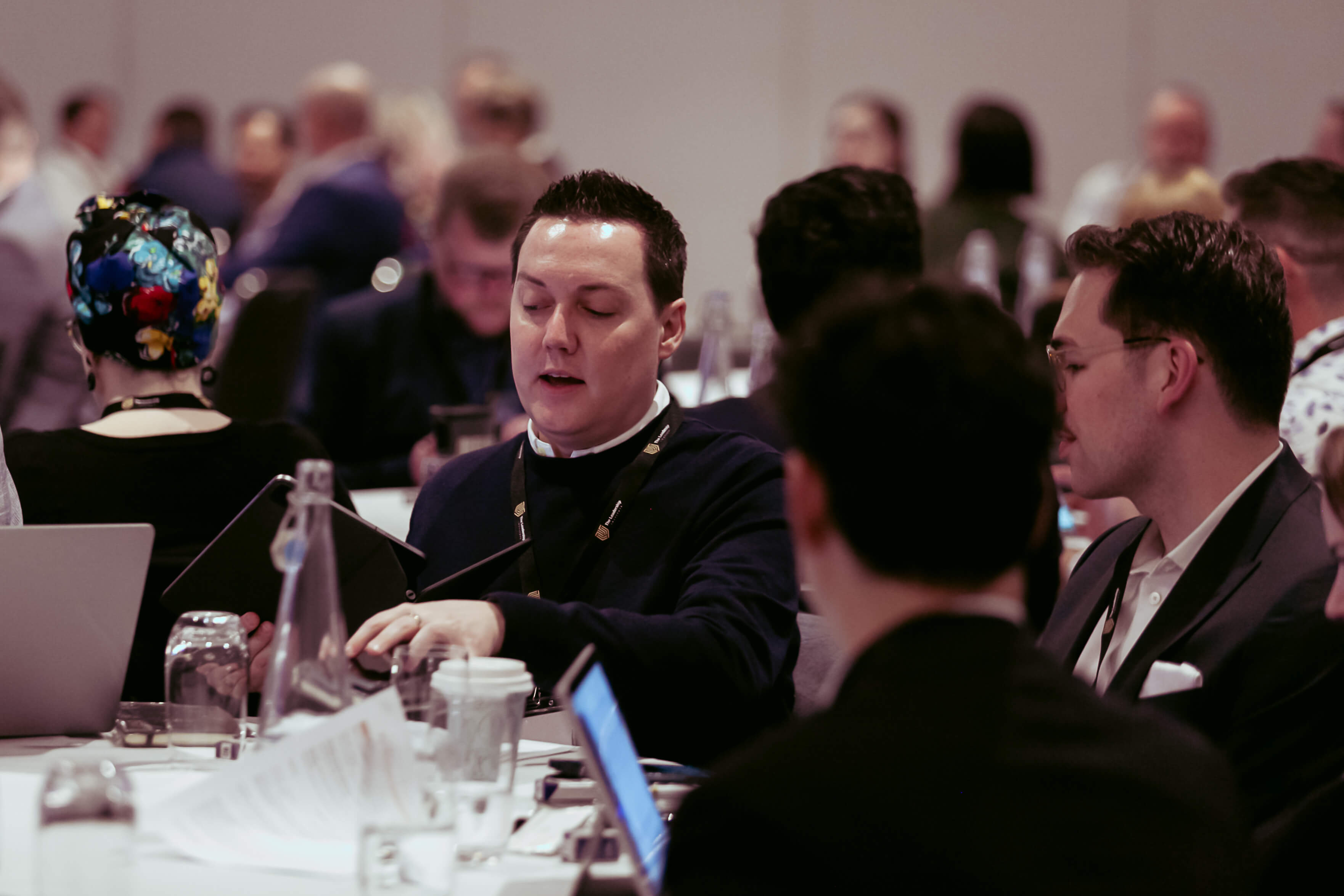
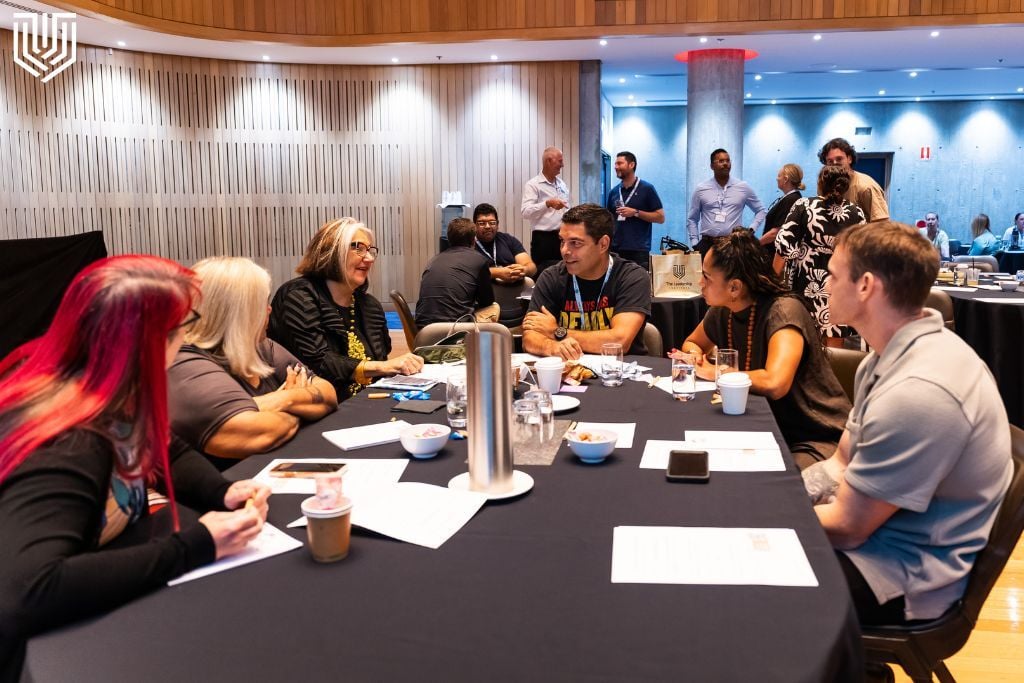

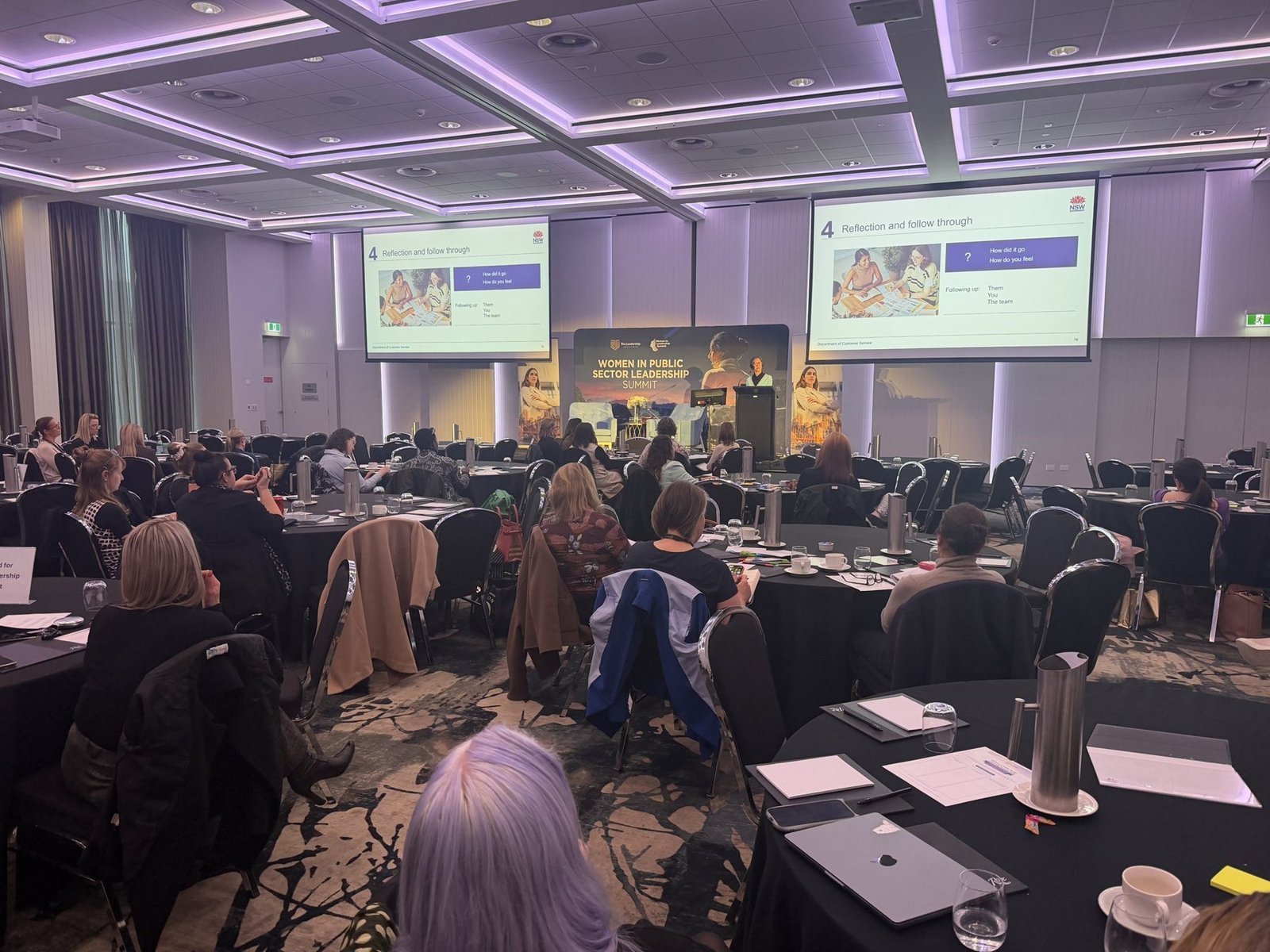
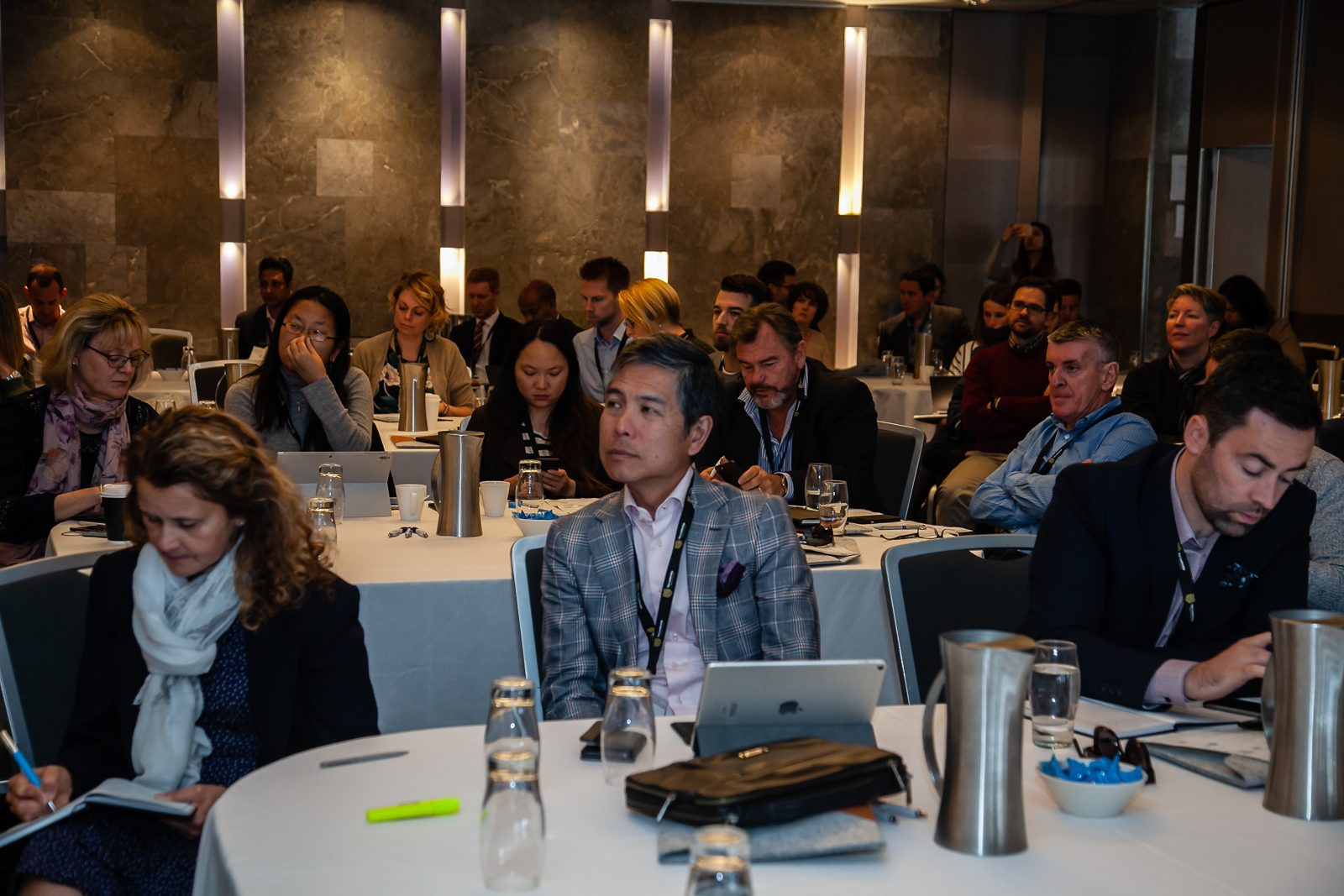
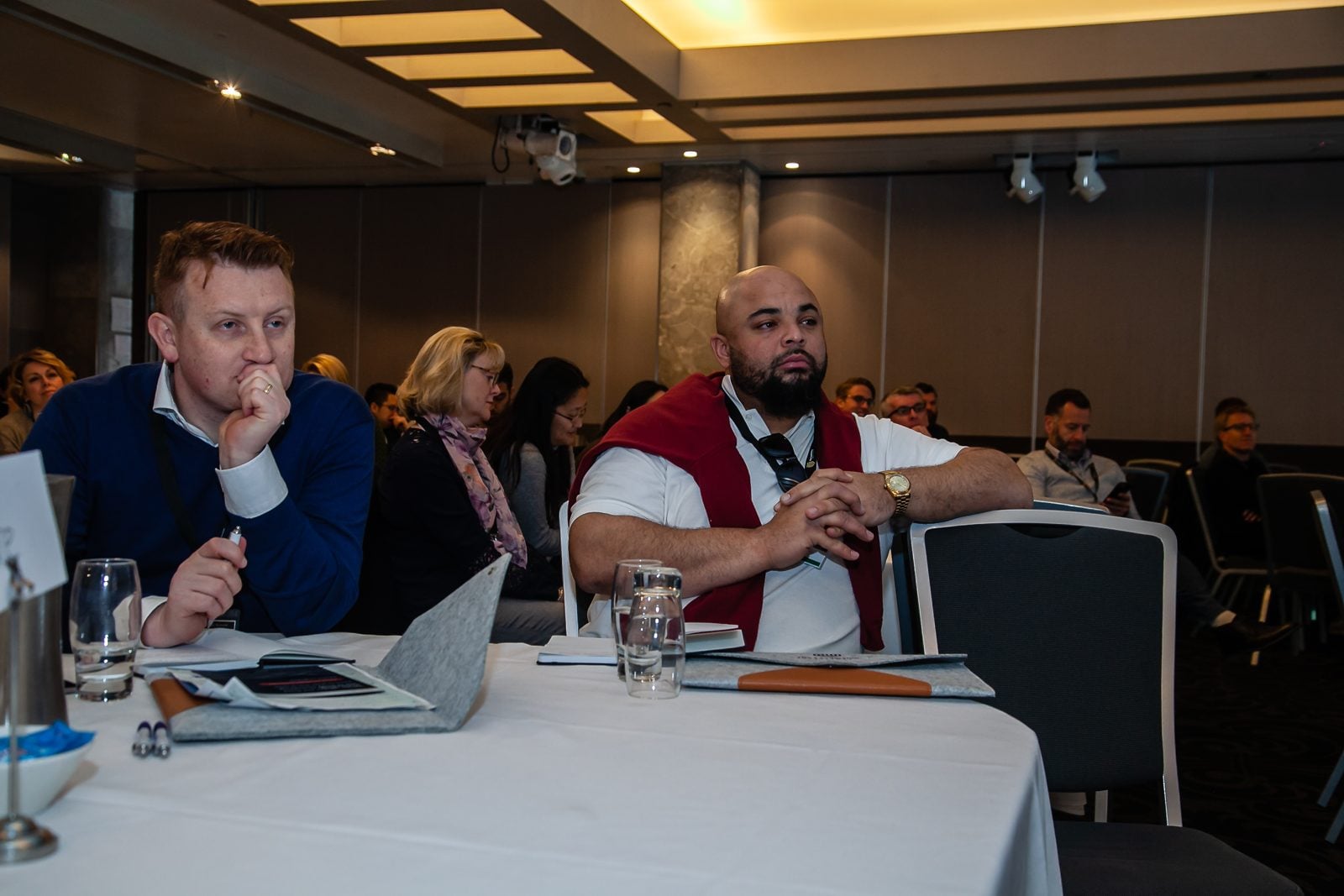
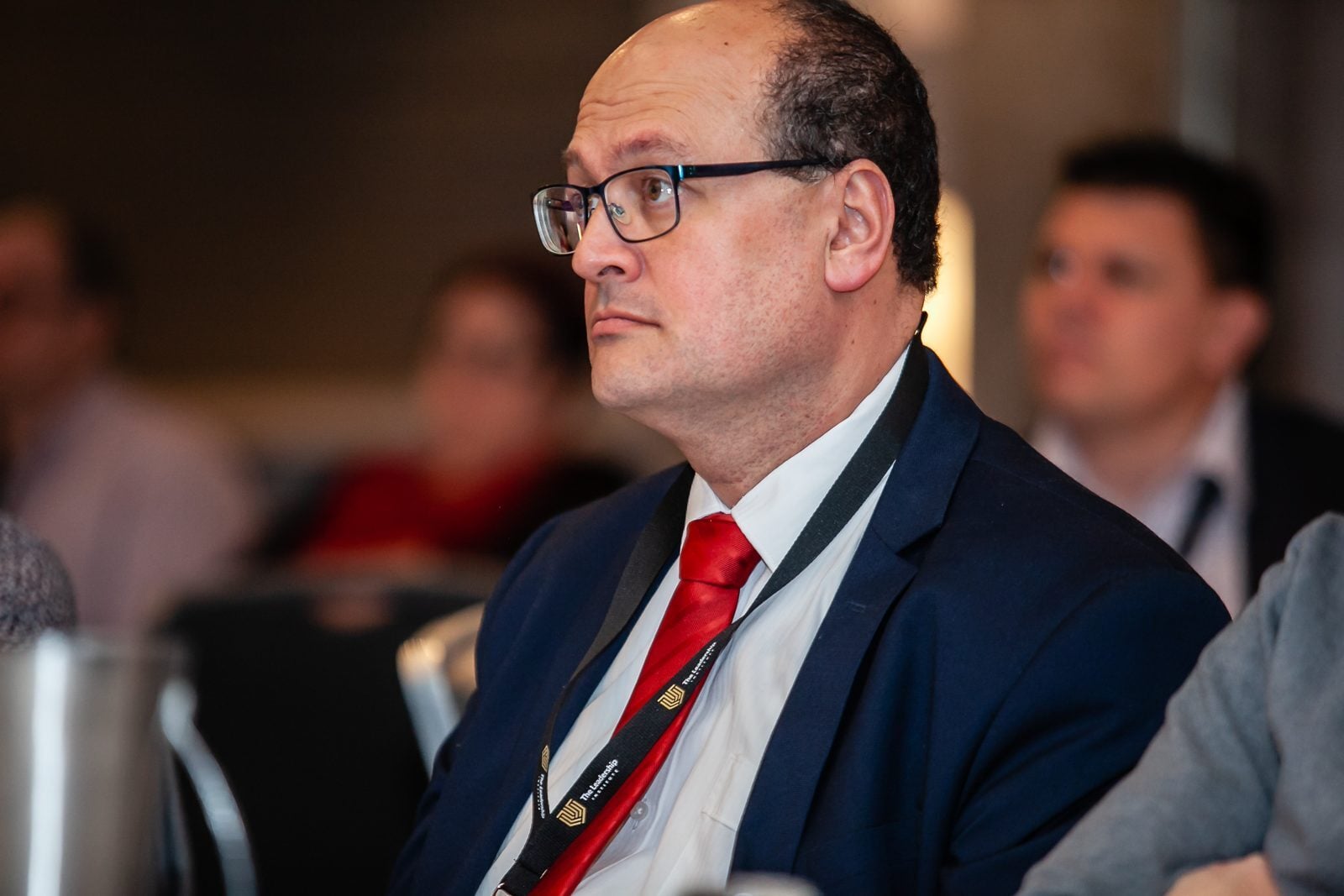
The same prices apply in every city. First In pricing ends 31 December 2026.
“I thought it was a very well curated program and the calibre of speakers and discussion was invaluable. I'll definitely be coming back next year and sending some of my team!”
| Ticket | First InUntil 31 Dec 2026 | Early BirdUntil 25 Mar 2027 | StandardFrom 26 Mar 2027 |
|---|---|---|---|
| One dayDay 1 (AI) or Day 2 (Cyber) | $1,299 | $1,499 | $1,699 |
| Both daysThe full two-day summit | $2,099 | $2,399 | $2,699 |
| All-AccessBoth days + the 90-day AI plan workshop | $2,699 | $2,999 | $3,299 |
| Workshop onlyTwo online mornings, 13–14 May | $899 | $999 | $1,099 |
| SME rate, per dayOrganisations with 20 staff or fewer. Up to 2 per organisation | $599 | $699 | $799 |
All prices in Australian dollars and exclude GST.
 MelbourneTue 20 – Wed 21 April 2027Le Méridien Melbourne
 BrisbaneThu 22 – Fri 23 April 2027Brisbane Marriott Hotel
 PerthTue 27 – Wed 28 April 2027The Westin Perth
 CanberraMon 3 – Tue 4 May 2027Canberra Rex Hotel
 SydneyWed 5 – Thu 6 May 2027Rydges Sydney Central
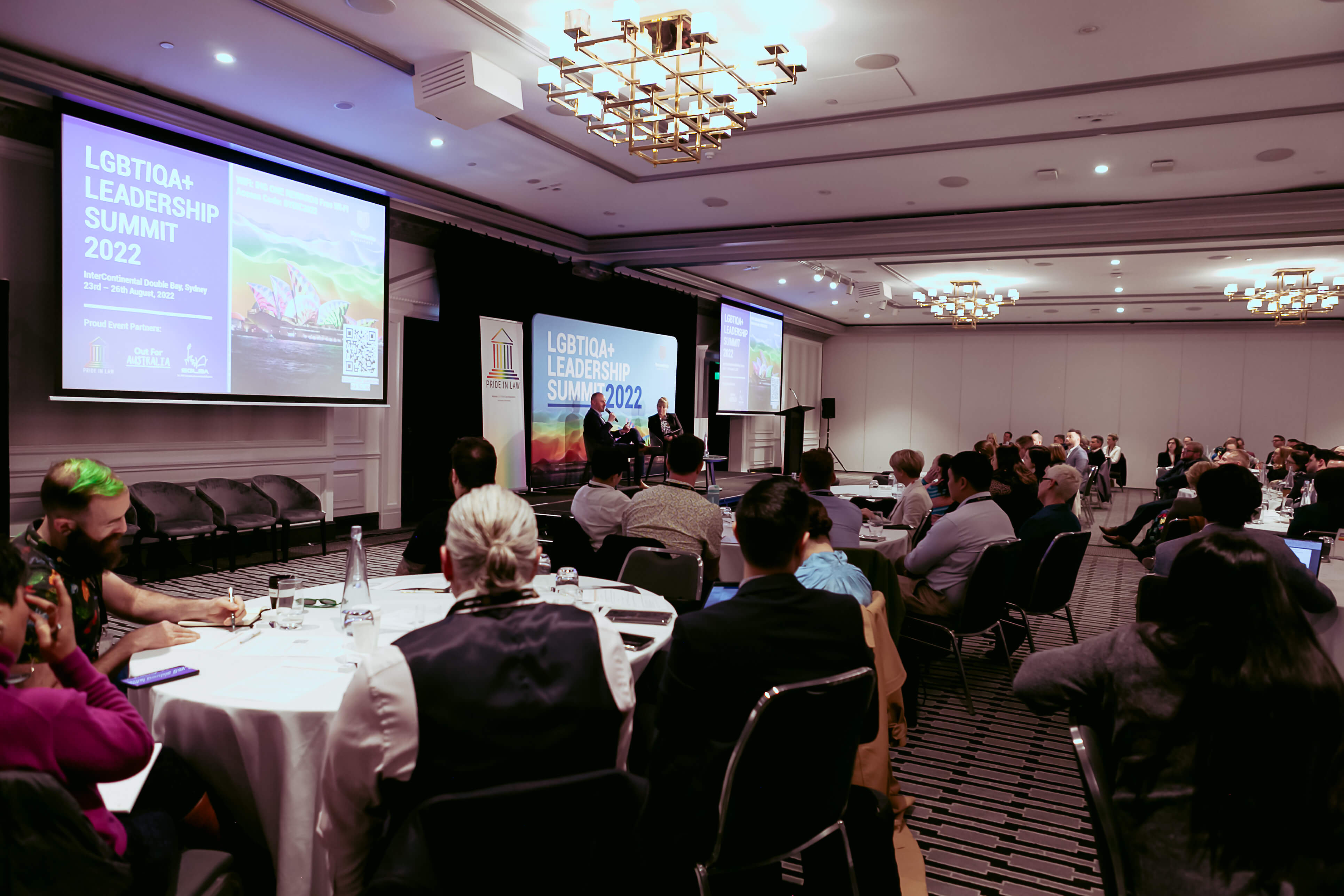
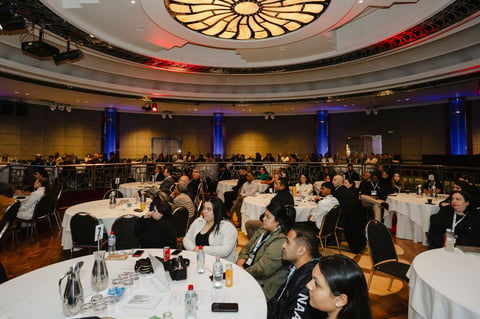
Venue photos courtesy of each hotel.
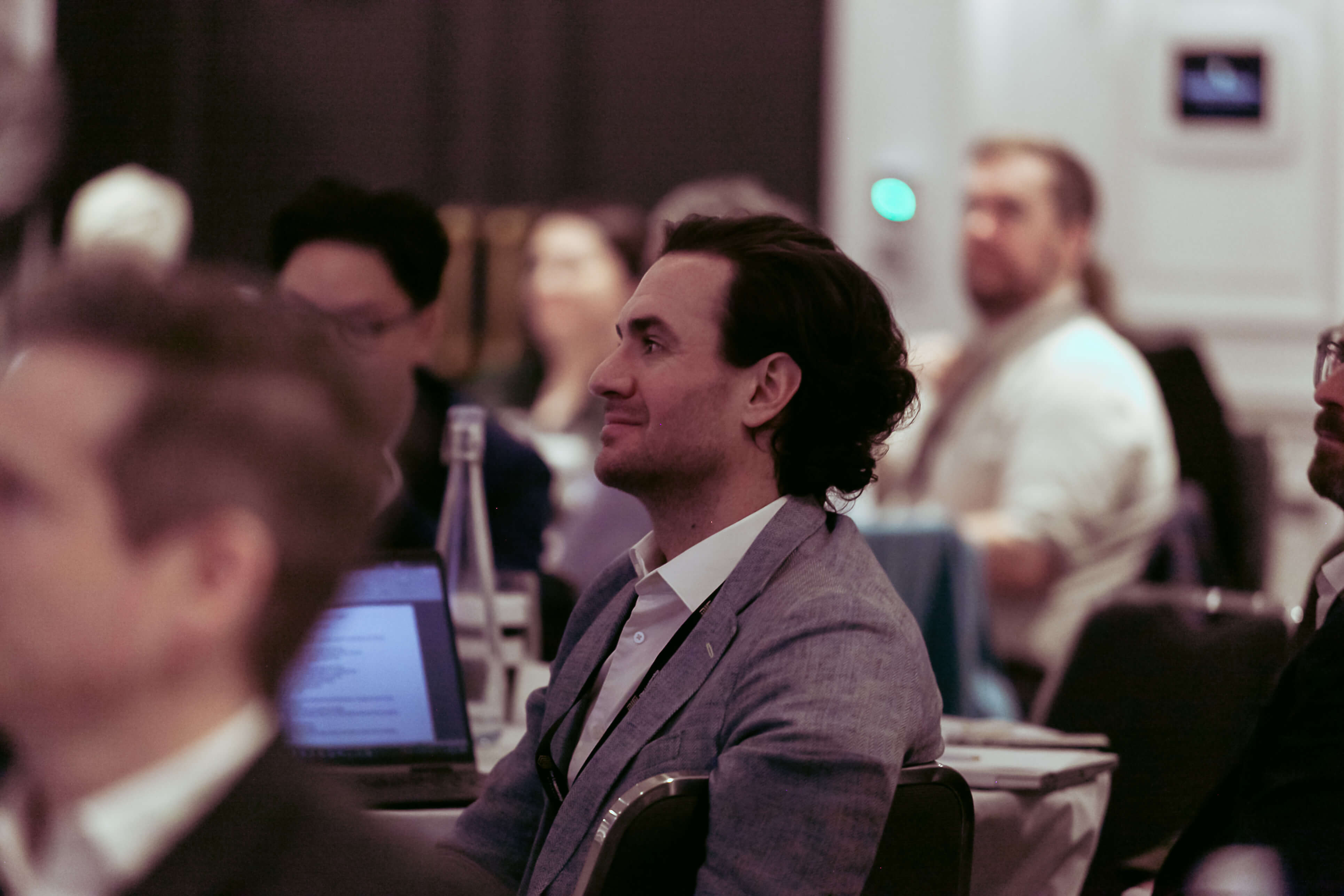
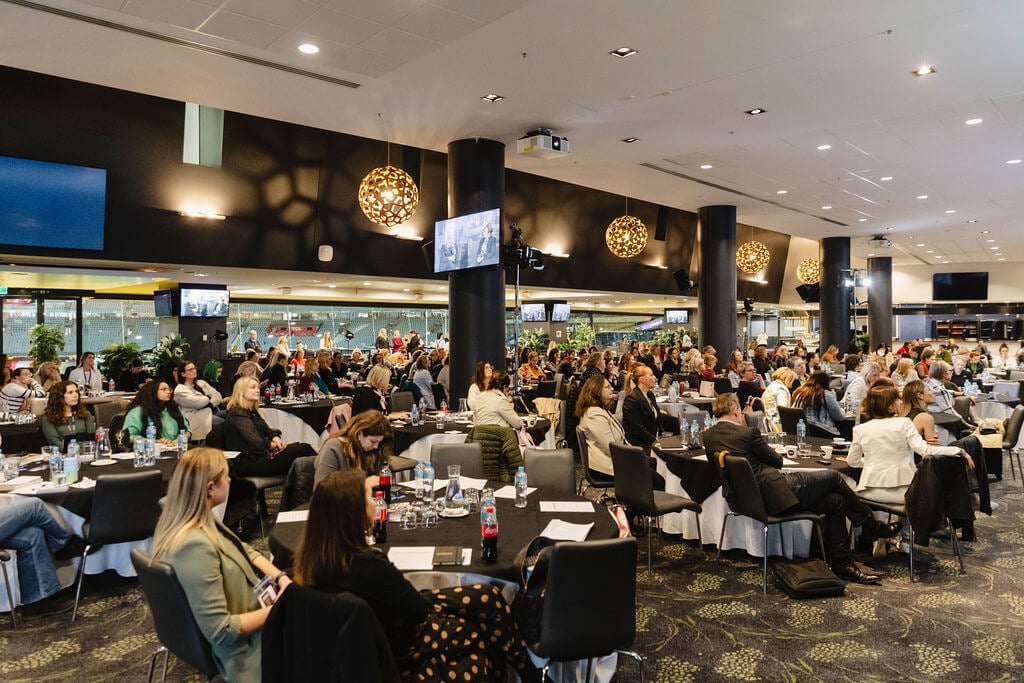
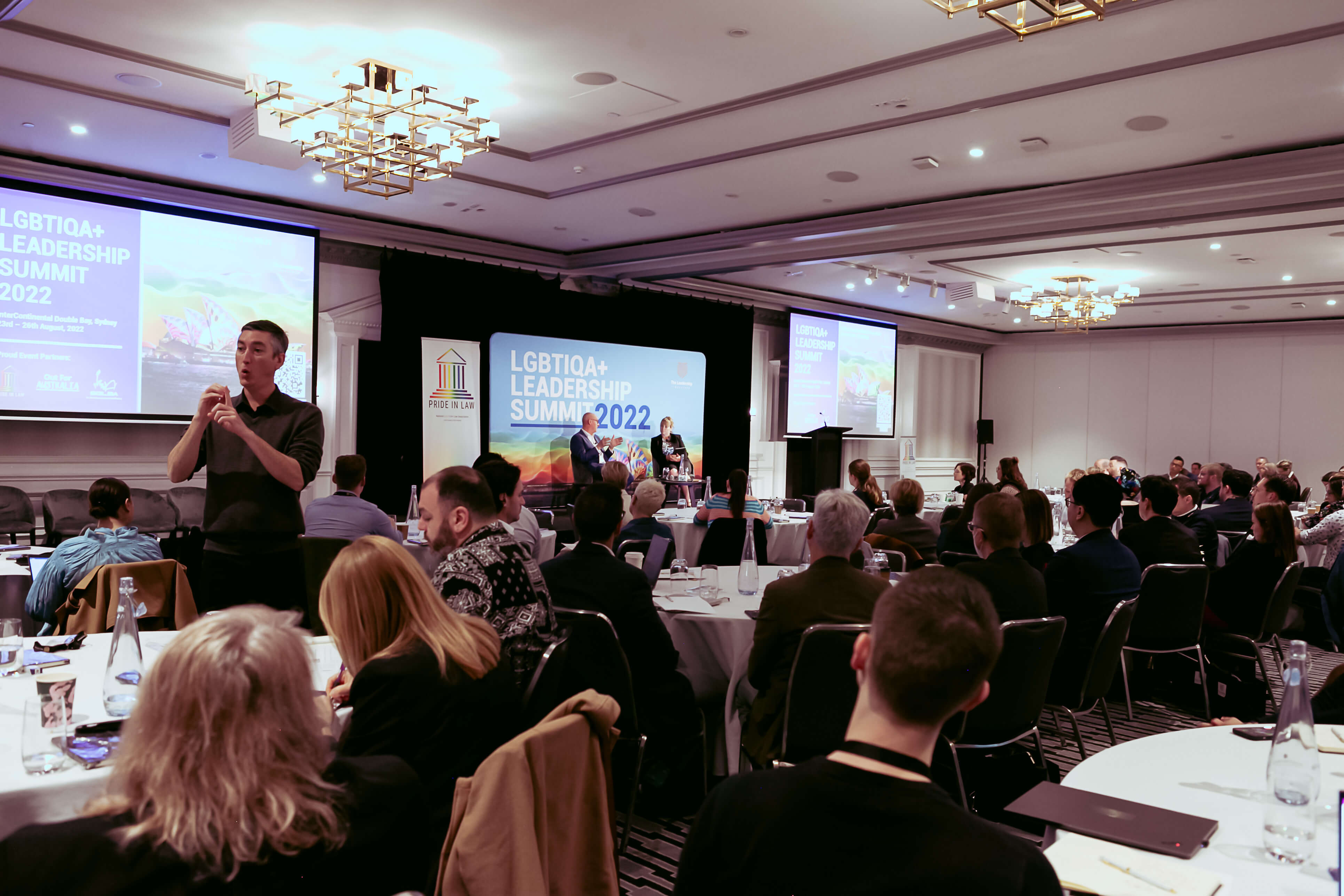
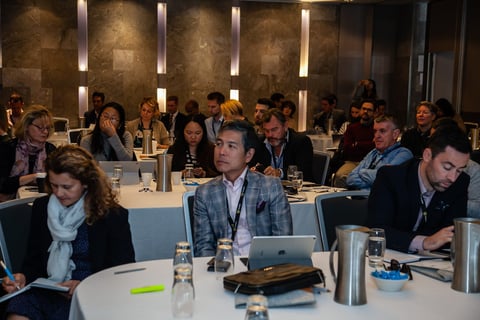
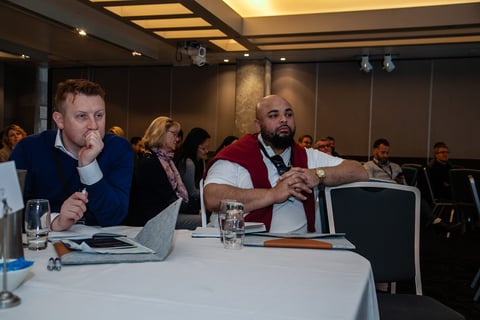
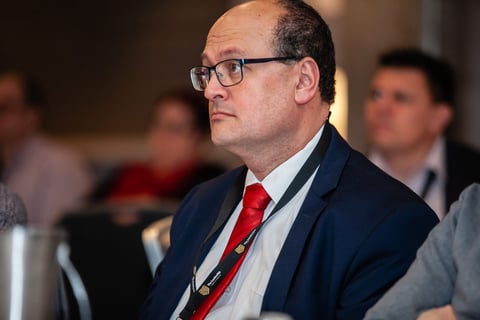
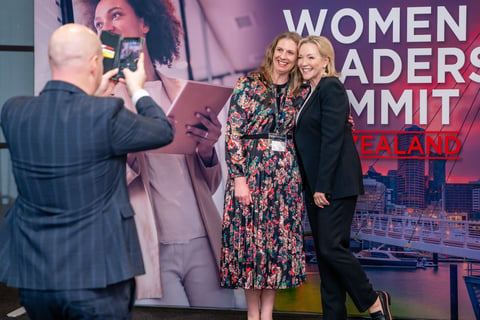
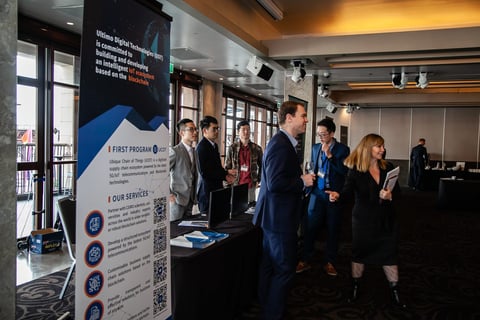
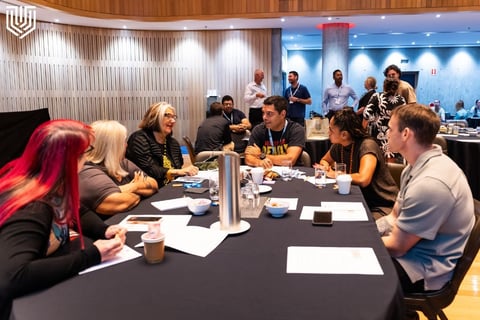
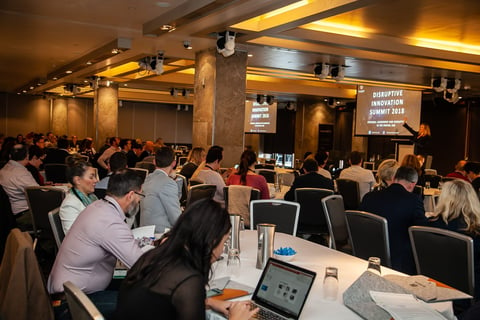
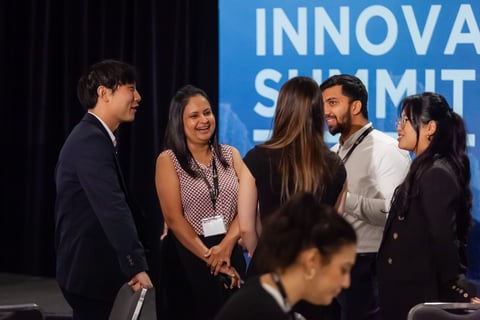
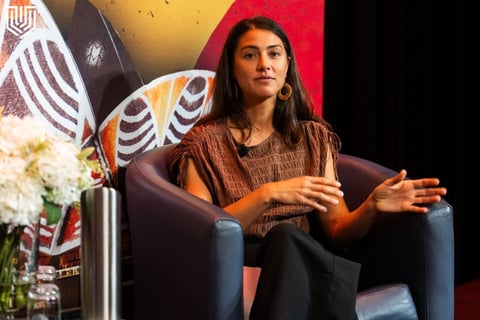
Speaker announcements, roadshow updates and behind-the-scenes moments from Leadership Institute summits. Tap any photo to see more.
 Leadership Institute summits
 Leadership Institute summits
 Leadership Institute summits
 Leadership Institute summits
 Leadership Institute summits
 Leadership Institute summits
 Leadership Institute summits
 Leadership Institute summits
 Leadership Institute summits
 Leadership Institute summits
 Leadership Institute summits
 Leadership Institute summits
The roadshow runs in five cities: Melbourne (20–21 April), Brisbane (22–23 April), Perth (27–28 April), Canberra (3–4 May, public sector edition) and Sydney (5–6 May 2027). Venues are Le Méridien Melbourne (20 Bourke Street), Brisbane Marriott Hotel (515 Queen Street), The Westin Perth (480 Hay Street), Canberra Rex Hotel (150 Northbourne Avenue, Braddon) and Rydges Sydney Central (28 Albion Street, Surry Hills).
Yes. Day 1 is the AI leadership briefing and Day 2 is AI and cyber security for leaders. Book either day on its own, or both days for the best value.
Executives, senior managers and board members who make decisions about AI and cyber risk, plus the leaders who advise them: general counsel, CFOs, CIOs, CISOs, risk and HR leaders. No technical background is needed.
Absolutely. The roadshow is built for the people who make decisions about AI and cyber risk, not for technical specialists. Every session is in plain English, with no jargon and no product pitches.
It is the essential AI update for Australian leaders, delivered by real leaders in Australia who are doing the work, from government, defence, health, research, resources, superannuation and law. You hear what is actually happening in Australian organisations and what the local rules require. It is not a vendor expo or a technical conference.
Day 1 (AI): a clear view of what has changed in AI, what the rules now require, and how Australian leaders have taken AI past the pilot stage. Day 2 (AI and cyber): a plain-English grasp of how AI is changing cyber threats, risk and accountability, and what you need in place before an incident.
Yes. Sessions are recorded, but recordings are shared only with livestream attendees, and only with each speaker's permission.
Canberra runs a dedicated agenda for federal, state and local government: Chief AI Officers, the AI rules at every level of government, AI agents in public services, AI and cyber accountability, and an AI attack simulation that ends with a ministerial brief. Choose Canberra in the city selector to see the full government program.
From pilots to production: a hands-on online workshop for leaders in business and government, over two mornings, Thursday 13 and Friday 14 May 2027. You triage your pilots, build the case for approval, set guardrails for AI security and agents, and leave with a 90-day plan. Choose the business or government template pack on the day, so you never need to share confidential data. Add it when you register for any city, or book it on its own.
Yes. Teams of 3–5 save 15% and alumni save 10%. To book a team, call us on (02) 8294 2044 or email info@theleadershipinstitute.com.au and we'll set it up for you. For groups of more than ten, we can run the workshop as a private in-house session for your leadership team.
Organisations with 20 staff or fewer, up to 2 tickets per organisation. It is $599 + GST a day at First In rates, $699 at Early Bird and $799 at Standard. It isn't available to suppliers of AI, cyber, legal or consulting services; they can join as an exhibitor or take an AI Startup Table. We may ask for proof of staff numbers.
Yes. Packages run from a $1,500 AI Startup Table to a $35,000 national Headline Partner, with city partnerships and exhibition stands in between. See the sponsorship section above or call (02) 8294 2044.
First In prices end 31 December 2026. One registration covers every city: choose your city and ticket as you book.
Register nowThe full program for all five cities, with pricing and the government edition.
We'll email you the brochure to read later or share with a colleague.

We build great leaders. Summits, masterclasses and training across Australia and New Zealand.
(02) 8294 2044
info@theleadershipinstitute.com.au
Suite 205, 3 Hosking Place, Sydney, NSW, 2000
By signing up to our mailing list, you will receive up to date information on the latest relevant training courses, Konnect Learning scheduling information, news and offers.
Prices go up by as much as $600 after 31 December 2026. Want a reminder before they do?
Done. We'll send you a reminder before First In pricing closes on 31 December 2026.
One reminder before the deadline. No spam.